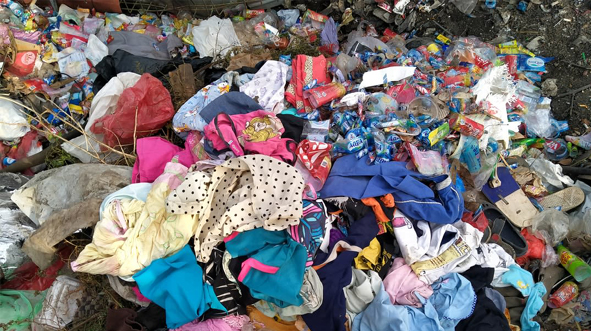
The European Parliament has officially adopted Extended Producer Responsibility (EPR) legislation that shifts the full responsibility for textile waste management onto fashion brands, retailers, and e-commerce platforms. This landmark law carries far-reaching implications for the global fashion supply chain.
Under the legislation, all producers selling textiles in the EU market—whether based inside or outside the bloc—must finance the collection, sorting, and recycling of products they place on the market. The financial burden of Europe’s mounting textile waste now lies directly with the brands that generate it.
Key Business Implications
- Universal Scope: Applies to all producers of clothing, footwear, accessories, home textiles, and curtains, regardless of origin.
- Fast Fashion Penalty: Member states must impose higher fees on ultra-fast and fast fashion brands, penalizing unsustainable business models.
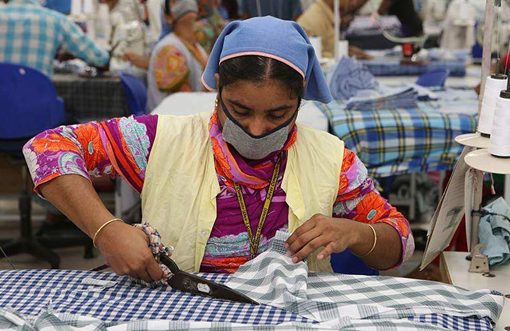
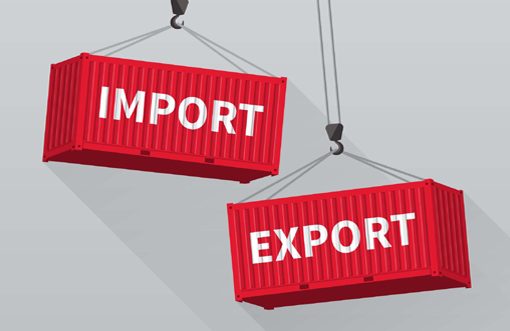
- Global Supply Chain Disruption: As the EU is the world’s largest textile importer, the new rules will impact exporters in Bangladesh, Vietnam, China, and India, reshaping cost structures and competitiveness.
- Immediate Timeline: Adopted in September 2025, requiring rapid operational and financial adjustments by producers.
- Competitive Reshaping: Rising compliance costs will likely be pushed down to suppliers, altering sourcing relationships and pricing worldwide.
Stakeholder Implications
- CEOs & Boards: This is not just regulatory compliance—it’s a business model transformation. Companies must integrate end-of-life costs into pricing, reconsider supplier contracts, and accelerate circular design adoption.
- Sustainability Leaders: The law opens major opportunities in circular economy solutions, sustainable materials innovation, and traceability systems to meet compliance and unlock competitive advantage.