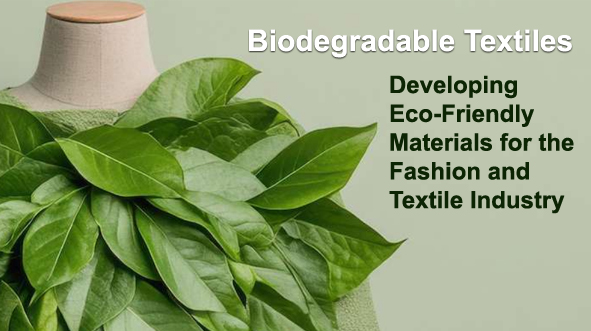
This report investigates the role of biodegradable textiles in promoting sustainability within the fashion and textile industry. It begins by highlighting the pressing environmental issues linked to traditional textile practices, such as pollution, resource depletion, and waste accumulation. Through a detailed exploration of how biodegradation occurs in textile materials, the report identifies key natural and bio-based fiber sources that offer promising alternatives to
synthetic textiles.

Furthermore, the report examines both the potentials and limitations of biodegradable textiles across environmental, technical, and economic dimensions. Real-world applications are discussed, ranging from fashion and home furnishings to agriculture and medical textiles. Emerging trends such as biotechnology, sustainable dyeing, and circular economy models are also addressed to envision the future of biodegradable innovations.
To conclude, a series of actionable recommendations is proposed for researchers, industry leaders, policymakers, and consumers to foster wider adoption. With coordinated efforts, biodegradable textiles can significantly contribute to a greener, more responsible textile ecosystem.
Introduction
Background
The conventional textile industry is a significant contributor to environmental degradation. It accounts for:
– 10% of global carbon emissions,
– 20% of global wastewater (from dyeing and finishing),
– High consumption of non-renewable resources (e.g., crude oil for polyester), and
– Significant solid waste, with millions of tons of textile waste ending up in landfills annually, much of which is non-biodegradable.
Fast fashion has worsened this situation by encouraging high-volume, low-quality consumption patterns. As a result, textiles often have a short lifecycle, contributing to waste accumulation and pollution.
The Need for Sustainable Alternatives
In light of growing environmental awareness and regulatory pressures, the need for eco-friendly alternatives is urgent. Biodegradable textiles offer a promising pathway by:
– Reducing end-of-life waste,
– Minimizing microplastic pollution, and
– Enabling compostable solutions for circular fashion.
Their adoption supports the UN Sustainable Development Goals (especially SDG 12 and 13).
Aim and Objectives
This report aims to:
– Explore biodegradable textile materials and mechanisms,
– Examine their development, properties, and performance,
– Evaluate their environmental, social, and economic benefits,
– Identify challenges, applications, and future prospects, and
– Recommend strategies for wider adoption.
Scope of the Report
The report will focus on:
– The scientific basis of textile biodegradation,
– Sources and processing of biodegradable fibers,
– Key advantages, limitations, and technical considerations,
– Current and future applications, and
– Innovation trends and policy drivers.
Understanding Biodegradability in Textiles
Definition of Biodegradability
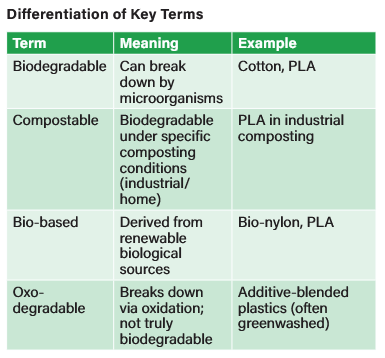
Biodegradability in textiles refers to the capability of materials to decompose through natural biological processes into water, carbon dioxide (in aerobic conditions), methane (in anaerobic conditions), and biomass. A biodegradable textile leaves no toxic residue and breaks down within a reasonable time frame under composting or natural soil conditions.
Mechanisms of Biodegradation
Microbial Decomposition: Bacteria, fungi, and actinomycetes secrete enzymes that break down polymer chains into monomers.
Enzymatic Hydrolysis: Key step where enzymes cleave ester, amide, or glycosidic bonds. Composting: Controlled biodegradation with regulated temperature, moisture, and aeration. End Products: CO 2 , CH 2 , H 2 O, and humus (soil-enriching matter).
Factors Influencing Biodegradation
Polymer Structure: Natural fibers degrade faster than synthetic ones due to simpler structures. Chemical Composition: Cellulose and proteins are more easily decomposed than polyesters.
Environmental Conditions: Temperature, pH, oxygen availability, and microbial activity all affect degradation rate.
Fabric Treatment: Dyes, finishes, and coatings may slow down or block biodegradation.
Sources and Development of Biodegradable Textile Materials
Natural Cellulosic Fibers
Natural cellulosic fibers are derived from plant sources and consist primarily of cellulose, a biodegradable polysaccharide. Examples include cotton, flax (linen), hemp, jute, bamboo, and regenerated fibers like lyocell and modal.
Cotton: Widely used and inherently biodegradable. However, conventional cotton cultivation is resource-intensive, involving high water use and pesticide application. Organic cotton and Better Cotton Initiative (BCI) cotton are more sustainable alternatives.
Linen (Flax): A strong natural fiber with lower water and chemical requirements than cotton.
Hemp: Highly sustainable due to its rapid growth, low pesticide need, and soil regeneration properties.
Jute: Primarily used for sacks and bags; it decomposes quickly and enriches the soil.
Bamboo: Although naturally biodegradable, most commercial bamboo textiles are made via viscose processing, which involves chemical solvents. Mechanically processed bamboo is more eco-friendly.
Lyocell/Modal: These regenerated fibers are derived from wood pulp using closed-loop systems, making them biodegradable and environmentally responsible.
Advancements include enzymatic retting, organic cultivation, and closed-loop processing systems to reduce environmental impact.
Natural Protein Fibers
Natural protein fibers originate from animals and are composed of proteins such as keratin or fibroin, which are readily biodegradable.
Wool: Biodegradable in both soil and marine environments. Its production can have high land and water impact if not managed sustainably.
Silk: Biodegradable and luxurious, but silk farming may involve ethical concerns and resource use.
Emerging Fibers: Spider silk (bioengineered) and casein fibers (milk protein-based) show promise due to their natural origin and compostability. These fibers decompose through enzymatic action, returning nitrogen and other nutrients to the soil.
Bio-based and Biodegradable Polymers
Several synthetic polymers derived from renewable resources exhibit biodegradability:
Polylactic Acid (PLA): Made from corn starch or sugarcane, PLA is compostable under industrial conditions. It is widely used in apparel and packaging.
Polyhydroxyalkanoates (PHAs): Produced by bacterial fermentation. Fully biodegradable in marine and soil environments. High production costs limit widespread use.
Starch-Based Polymers: Blended with other biodegradable polymers for textile use.
Cellulose Acetate: Modified natural polymer used in fashion and accessories. Biodegradable under specific conditions.
Research is ongoing into other polymers like PBS (polybutylene succinate) and bio-based PET substitutes with improved biodegradability and performance.
Processing Considerations for Biodegradability
The biodegradability of textile materials can be affected by their processing methods:
Fiber Extraction: Mechanical processing is preferred over chemical methods to maintain biodegradability. Yarn Spinning & Fabric Construction: High-twist yarns and tight weaves may slow down degradation. Loose, open constructions degrade faster.
Dyeing and Finishing: Conventional dyes and finishes can be toxic and non-degradable. Use of natural dyes, low-impact synthetic dyes, and biodegradable finishes is critical.
Blending: Blending biodegradable fibers with synthetic ones (e.g., cotton-polyester) hinders overall degradability.
Eco-design principles recommend selecting biodegradable auxiliaries, avoiding permanent chemical coatings, and labeling for proper disposal.
Advantages and Challenges of Biodegradable Textiles
Environmental Advantages
Waste Reduction: Biodegradable textiles break down naturally, reducing the volume of persistent waste in landfills.
Pollution Mitigation: These materials avoid microplastic pollution and toxic chemical leaching associated with synthetic textiles.
Lower Carbon Footprint: When sourced and processed sustainably, biodegradable textiles offer lower greenhouse gas emissions over their life cycle. Support for Circular Economy: They can be composted or integrated into closed-loop systems, contributing to regenerative material cycles.
Economic and Social Advantages
New Market Opportunities: Increasing demand for eco-friendly products opens avenues for entrepreneurs and green innovations.
Rural Employment: Production of natural fibers like jute, hemp, and organic cotton can promote rural development and job creation.
Consumer Appeal: Growing environmental awareness enhances marketability and brand value of sustainable textile products.
Reduced Fossil Fuel Dependency: By using renewable resources, biodegradable textiles lessen reliance on petrochemical-based fibers like polyester.
Technical and Performance Challenges
Durability: Many biodegradable materials may lack the strength, abrasion resistance, or longevity of synthetic counterparts.
Moisture Sensitivity: Natural fibers can degrade prematurely if exposed to moisture, affecting product lifespan.
Consistency and Scalability: Variability in raw materials can affect quality control, making mass production challenging.
Performance Limitations: Applications requiring high-performance specifications (e.g., activewear, technical gear) may find current biodegradable options insufficient.
Regulatory and Consumer Awareness Challenges
Lack of Standards: The absence of unified standards for biodegradability and compostability in textiles causes market confusion.
Greenwashing Risks: Misleading claims can undermine consumer trust and genuine sustainability efforts. Disposal Knowledge Gap: Consumers often lack awareness about how to properly dispose of biodegradable textiles.
Policy Gaps: There is a need for stronger regulations and incentives to support biodegradable alternatives over conventional synthetics.
Applications of Biodegradable Textiles
Fashion and Apparel
Biodegradable textiles are becoming increasingly popular in the fashion industry, primarily due to rising environmental consciousness among consumers. Designers and sustainable fashion brands are now incorporating natural fibers such as organic cotton, hemp, bamboo, and flax, as well as bio-based polymers like polylactic acid (PLA) into their collections. These materials provide breathability, comfort, and aesthetic appeal while minimizing ecological damage. Biodegradable clothing also reduces long-term environmental burdens when disposed of properly, making them ideal for casualwear, innerwear, kidswear, and even athleisure and footwear.
Home Textiles
Home textile products made from biodegradable materials are gaining ground due to their environmental benefits and natural properties. These include:
Bedding and Linens: Bedsheets, pillowcases, and duvet covers made from organic cotton, bamboo, and Tencel offer softness, breathability, and biodegradability.
Curtains and Upholstery: Hemp, jute, and linen fabrics are not only eco-friendly but also provide durability and a natural look for interior décor.
Towels and Carpets: Wool, cotton, and banana fiber-based towels and rugs offer absorbency and biodegradability. Using such materials in home textiles contributes to lower indoor pollution and promotes a healthier living environment.
Technical Textiles
Biodegradable textiles are now finding innovative applications across various technical domains:
Agriculture: Biodegradable mulch mats, plant pots, and seed tapes made from jute, coir, or PLA-based nonwovens help improve soil health and eliminate the need for post-harvest cleanup.
Geotextiles: Erosion control blankets made from jute or coir are used in slope stabilization and drainage systems. These materials degrade naturally, nourishing the soil.
 Medical Textiles: Polymers such as PLA and chitosan are used in medical applications like absorbable sutures, wound dressings, and tissue scaffolds, eliminating the need for surgical removal and minimizing infection risk. Packaging: Bio-based, biodegradable textiles are replacing single-use plastic packaging in retail, especially for eco-conscious fashion and food brands.
Niche and Emerging Applications
The versatility of biodegradable materials enables their use in several niche and futuristic sectors:
Sportswear and Outdoor Gear: Although still under development, biodegradable performance fabrics are being explored for low-impact sports clothing and gear.
Wearable Technology: Research is ongoing into integrating biodegradable fibers into smart textiles and wearable sensors for temporary use.
Hygiene Products: Biodegradable nonwovens are being used in disposable diapers, sanitary napkins, and wet wipes to reduce plastic waste.
Funeral and Burial Shrouds: Eco-burial practices are adopting biodegradable textile shrouds made from cotton or bamboo.
Automotive Interiors: Natural fiber composites and biodegradable upholstery materials are being used in vehicle interiors to meet green manufacturing targets.
Future Trends and Innovations
Advancements in Bio-based Materials
Recent advancements in mat erial science are driving the development of next-generation biodegradable fibers and polymers. Innovative options like algae-based textiles, mushroom mycelium leather, lab-grown spider silk, and engineered cellulose derivatives are becoming viable. These materials promise enhanced strength, flexibility, and biodegradability while reducing the need for toxic chemicals and excessive resources. Research is also focusing on genetically engineered crops that produce fibers with desirable properties.
Sustainable Dyeing and Finishing Technologies
The dyeing and finishing stages of textile manufacturing often involve chemicals that can hinder biodegradability. Innovations in this space include:
Natural Dyes: Derived from plants, minerals, and insects, these dyes are biodegradable and non-toxic.
Waterless Dyeing: Techniques such as supercritical CO 2 dyeing eliminate water usage entirely.
Enzymatic Finishing: Replaces harsh chemical treatments with bio-based enzymes that are gentle on fibers and the environment.
Closed-loop Systems: Allow for the recovery and reuse of dye chemicals, reducing waste and contamination.
Circular Economy Approaches
Biodegradable textiles are an integral part of circular economy models in the fashion and textile sectors. Circular systems encourage:
Design for End-of-Life: Ensuring products are compostable or recyclable after use.
Textile-to-Textile Recycling: Recovering fibers for reuse in new textile production.
Composting Infrastructure: Industrial and home composting solutions to process biodegradable textiles safely and effectively.
Waste-to-Resource Strategies: Transforming textile waste into feedstock for new fibers or other applications.
Role of Biotechnology
Biotechnology is playing a transformative role in the creation of sustainable textiles:
Microbial Engineering: Bacteria and fungi can be modified to produce protein-based fibers or break down textile waste.
Synthetic Biology: Enables the biosynthesis of high-performance fibers like spider silk and keratin using yeast or bacteria.
Enzyme Development: Enzymes designed to degrade or modify textile surfaces allow for energy-efficient, eco-friendly processing.
Policy and Regulatory Landscape
Global regulatory efforts are shaping the future of biodegradable textiles. Examples include: E.U. Green Deal and Circular
Economy Action Plan: Promote sustainable production and discourage fast fashion.
Extended Producer Responsibility (EPR): Holds producers accountable for the environmental impacts of their products.
Global Certifications: Labels such as GOTS, Cradle to Cradle, and OK Compost help consumers identify truly biodegradable textiles.
National Bans and Incentives: Many countries are introducing restrictions on synthetic microfibers and encouraging biodegradable alternatives through subsidies and tax breaks.
Recommendations and Conclusion
Summary of Key Findings
The textile industry, one of the most resource-intensive and polluting sectors, is facing increasing scrutiny for its environmental footprint. Biodegradable textiles offer a promising solution to many of these challenges by enabling more sustainable production, use, and disposal of fabrics. Natural fibers like cotton, hemp, and silk, as well as innovative bio-based polymers such as PLA and PHAs, have demonstrated significant potential due to their renewable origins and capability to decompose safely in the environment.
However, despite the numerous environmental and social benefits, biodegradable textiles still face several barriers to widespread adoption. These include technical limitations in durability and performance, cost competitiveness, infrastructure gaps for biodegradation and composting, and a lack of clear consumer communication and global regulatory frameworks.
Recommendations
To harness the full potential of biodegradable textiles and support their broader adoption across the industry, the following actions are recommended for key stakeholders:
For Researchers and Innovators
Focus on developing high-performance biodegradable materials that match the durability, texture, and functionality of synthetic fibers. Explore biotechnology and material science innovations, such as microbial fiber synthesis and advanced enzymatic processing.
For Industry Stakeholders (Manufacturers, Brands, Retailers)
Invest in the development and scaling of biodegradable products and cleaner processing technologies. Adopt eco-labeling and transparency tools to communicate the benefits and proper disposal methods of biodegradable products to consumers. Collaborate across the supply chain to promote circular models and integrate biodegradable textiles into product lines.
For Policymakers and Regulators
Establish international standards and certifications to define and validate textile biodegradability and compostability. Incentivize research, development, and industrial-scale production of biodegradable materials through grants, subsidies, and tax incentives. Develop and promote infrastructure for composting, recycling, and biodegradable waste management.
Future Outlook
 Biodegradable textiles are poised to play a central role in transforming the fashion and textile industries toward sustainability. As innovation advances, the gap between performance and eco-friendliness will continue to narrow, making biodegradable options more viable for mainstream use. When combined with circular economy principles, technological improvements, and strong policy support, biodegradable textiles can become a cornerstone of an environmentally responsible future. Their integration will not only help reduce pollution and waste but also encourage a systemic shift toward more ethical and sustainable fashion practices globally.
References
Fletcher, K. (2014). Sustainable Fashion and Textiles: Design Journeys (2nd ed.). Routledge.
Shen, L., Worrell, E., & Patel, M. K. (2010). Present and future development in plastics from biomass. Biofuels,
Bioproducts and Biorefining, 4(1), 25–40. https://doi.org/10.1002/bbb.189
Ellen MacArthur Foundation. (2017). A new textiles economy: Redesigning fashion’s future. Retrieved from https://ellenmacarthurfoundation.org/
Karthik, T., & Gopalakrishnan, D. (2014). Sustainable Fibres and Textiles. Woodhead Publishing.
Tokiwa, Y., Calabia, B. P., Ugwu, C. U., & Aiba, S. (2009). Biodegradability of plastics. International Journal of Molecular Sciences, 10(9), 3722–3742. https://doi.org/10.3390/ijms10093722 Shimao, M. (2001). Biodegradation of plastics. Current Opinion in Biotechnology, 12(3), 242–247. https://doi.org/10.1016/S0958-1669(00)00206-8
FAO. (2013). Bioplastics for Agriculture in Practice. Food and Agriculture Organization of the United Nations. Retrieved from https://www.fao.org
Textile Exchange. (2021). Preferred Fiber & Materials Market Report 2021. Retrieved from https://
textileexchange.org/
European Commission. (2020). A new Circular Economy Action Plan. Retrieved from https://ec.europa.eu/environment/circular-economy/
Babu, R. P., O’Connor, K., & Seeram, R. (2013). Current progress on bio-based polymers and their future trends. Progress in Biomaterials, 2(1), 1–16. https://doi.org/10.1186/2194-0517-2-8
About the Author
 K. M. Ziauddin Mahamud is an accomplished textile professional and educator with extensive experience in textile engineering, marketing, and business management. He currently serves as the Manager of Sales and Marketing (Fashion) at Zaber and Zubair Fabrics Ltd., where he leads global business development and drives innovation in sustainable woven fabrics. Before entering the corporate sector, he served as a full-time faculty member in the Department of Textile Engineering at the University of South Asia, where he taught courses on textile processing and industrial practices
Mr. Mahamud holds a Postgraduate Diploma in Textile Industry Management and is pursuing an M.Sc. in Textile Engineering (Textile Engineering Management) from the Bangladesh University of Textiles. He also earned a Master of Professional Marketing from the University of Dhaka and a B.Sc. in Textile Engineering from the University of South Asia. His professional and research interests include sustainable fabric innovation, textile supply chain optimization, and global market strategy.