The government is moving forward with efforts to finalize a comprehensive National Strategy on Circular Economy for the textile and ready-made garment (RMG) sector by the end of 2026, as part of a broader push toward sustainable and climate-neutral industrial growth.
The commitment was reiterated during a national stakeholder consultation held in Dhaka on April 23. The event, jointly organized by the United Nations Industrial Development Organization and the Ministry of Commerce, brought together policymakers, industry leaders, and development partners to review progress on the draft strategy under the “Switch to Circular Economy Value Chains” initiative.
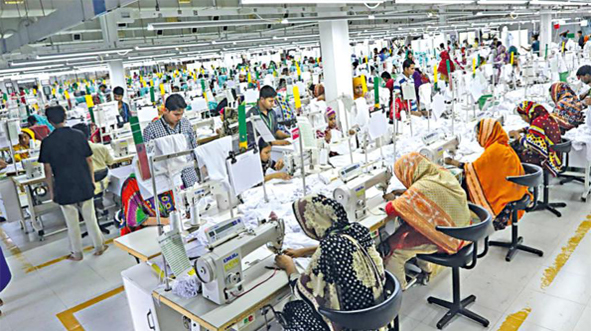
As the world’s second-largest garment exporter, Bangladesh generates substantial volumes of pre-consumer textile waste. Experts at the consultation highlighted that this presents a significant opportunity to scale up recycling, adopt innovative business models, and position the country as a global leader in circular textiles.
Abdur Rahim Khan, secretary (in charge) of the Ministry of Commerce, described the transition as critical at a time when Bangladesh is preparing to graduate from Least Developed Country (LDC) status. He stressed that adopting a robust circular strategy will be essential to maintaining competitiveness and meeting evolving compliance requirements from key markets such as the European Union.
He noted that the government is working closely with stakeholders to ensure the strategy is practical, inclusive, and aligned with international standards, with plans for technical validation and finalization within this year.
Representatives from the EU echoed the importance of circularity, particularly as Europe remains Bangladesh’s largest export destination for garments. They underscored opportunities for collaboration through knowledge-sharing and financial support to help the sector adapt to increasing global competition.
Industry stakeholders, including the Bangladesh Garment Manufacturers and Exporters Association, Bangladesh Knitwear Manufacturers and Exporters Association, and Bangladesh Textile Mills Association, expressed strong support for the initiative. They emphasized that circularity has become a necessity rather than an option, particularly in light of tightening international regulations.
The draft strategy is being developed under the SWITCH2CE project, co-funded by the European Union and the Government of Finland. The initiative is led by UNIDO in collaboration with Chatham House and the European Investment Bank, providing technical expertise and policy guidance to accelerate Bangladesh’s transition toward a circular textile economy.
Officials believe that a coordinated national framework will enable manufacturers to invest more confidently in recycling technologies, improve resource efficiency, and ensure long-term sustainability of the country’s most vital export sector.