Recent denial of transit permission to a Bangladeshi vessel through the strategically vital Strait of Hormuz by Iranian authorities’ signals growing geopolitical risks with direct implications for Bangladesh’s energy security, fuel prices, and trade dynamics.
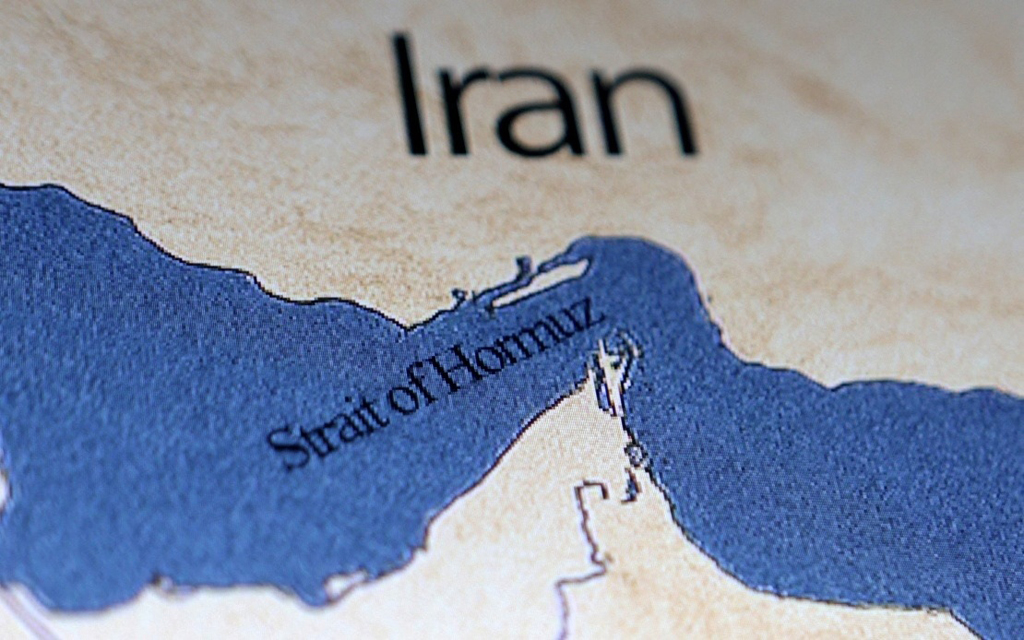
The vessel, MV Banglar Joyjatra, operated by Bangladesh Shipping Corporation (BSC), has been stranded near the UAE after being denied entry despite following official procedures. The development comes amid renewed tensions involving Iran, the US, and Israel, raising uncertainty over maritime access through the Hormuz corridor—a route that carries nearly 20% of global energy supplies.
Implications for Bangladesh’s energy supply
Bangladesh is heavily dependent on imported fuel, including crude oil, refined petroleum, and liquefied natural gas (LNG), much of which transits through the Persian Gulf and the Strait of Hormuz. Any disruption in this route can have immediate consequences:
• Fuel supply delays: Restricted access may delay shipments of oil, LNG, and even industrial inputs like fertilizer.
• Rising import costs: Longer alternative routes or higher insurance premiums for vessels can significantly increase freight costs.
• Pressure on energy reserves: Bangladesh’s limited storage capacity makes it vulnerable to supply shocks.
As global oil prices react to geopolitical tensions, Bangladesh may face upward adjustments in domestic fuel and gas prices, further straining industries and households.
Impact on gas and electricity sector
Bangladesh’s power generation relies significantly on imported LNG and fuel oil. Any disruption in shipping routes could lead to:
• Reduced LNG imports, affecting gas supply to industries and power plants
• Increased reliance on expensive spot market purchases
• Higher electricity generation costs, potentially leading to load shedding or tariff hikes
This could slow industrial production, particularly in energy-intensive sectors like textiles, steel, and manufacturing.
Trade and export risks
The disruption also highlights broader risks for Bangladesh’s trade:
• Higher logistics costs could reduce competitiveness of exports, especially in the ready-made garment (RMG) sector
• Shipment delays may affect delivery commitments to global buyers
• Import disruptions of raw materials and machinery could slow production cycles
For a country where exports are a key economic driver, prolonged instability in global shipping routes could weaken trade momentum.
Macroeconomic impact
The combined effect of rising fuel costs, supply uncertainty, and trade disruptions may lead to:
• Inflationary pressure due to higher energy and transport costs
• Increased subsidy burden for the government if fuel prices are controlled
• Strain on foreign exchange reserves due to higher import bills
• Slower economic growth if industrial output declines
Strategic Considerations
This incident underscores the need for Bangladesh to diversify its energy and trade strategies, including:
• Expanding strategic fuel reserves
• Diversifying energy import sources and routes
• Accelerating renewable energy adoption
• Strengthening regional energy cooperation
Conclusion
The denial of access through the Strait of Hormuz is more than an isolated maritime incident—it is a warning signal of Bangladesh’s vulnerability to global geopolitical shocks. As tensions persist, proactive policy measures will be essential to safeguard energy security, stabilize prices, and protect the country’s trade-driven economy.