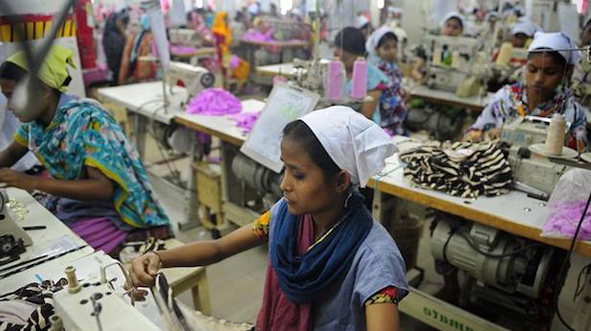
Bangladesh’s labour productivity, at $8.7 per hour, lags behind regional peers such as Vietnam, China, India, and Sri Lanka, putting businesses under growing competitive pressure, according to the Bangladesh State of the Economy 2025 report. The productivity gap is weakening export performance at a time when diversification and higher-value production are critical.
The report highlights structural challenges, including 84% informal employment, rising youth unemployment, and a growing share of young people not in education, employment, or training. While agriculture employs over a third of the workforce, it contributes just 11% of GDP, whereas industry generates more than 37% of GDP but absorbs only 17% of workers. SMEs, which dominate industrial employment, face constraints ranging from limited finance and infrastructure gaps to skills mismatches.
Overseas employment is also under strain, with most migrant workers engaged in low-skilled jobs and migration costs remaining high. Experts warn that sustaining remittance growth will require shifting workers into higher-skilled roles through stronger training and certification.
Although the government has increased spending on labour-market programmes and initiated reforms to modernise labour laws and attract investment, business leaders say skills shortages, rising energy and logistics costs, and weak industrial support systems are already eroding competitiveness.
Economists caution that recent macroeconomic improvements will not deliver lasting growth unless deeper labour-market, skills, and productivity reforms are implemented to fully harness Bangladesh’s demographic potential.