Escalating tensions involving the United States, Iran, and Israel could significantly increase global textile production costs, with industry analysts warning of a possible 10–15% rise across the sector if the conflict continues.
The textile and apparel industry is highly sensitive to energy and raw material prices. The ongoing geopolitical tensions in the Middle East have already pushed up global oil prices, directly affecting the cost of synthetic fibers such as polyester, nylon and acrylic, which are derived from petrochemicals.
Industry experts note that oil price volatility also increases the cost of logistics and transportation, further raising expenses across the textile supply chain—from fiber production and spinning to fabric manufacturing and garment exports. As a result, manufacturers in major textile-producing countries such as China, Bangladesh, India, and Vietnam could face growing cost pressures.
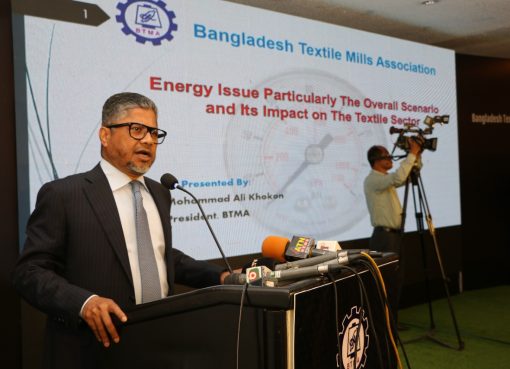
Higher global energy prices are also driving up coal and electricity costs, particularly for energy-intensive textile processes like dyeing, finishing and yarn production. This could lead to increased manufacturing expenses and reduced profit margins for textile mills worldwide.
In addition to rising production costs, the conflict is creating uncertainty in global financial markets and weakening consumer confidence in key apparel markets such as the United States and European Union. Slower demand growth for fashion and apparel products may further squeeze manufacturers already dealing with high operational costs.
Analysts say the combined impact of cost inflation, geopolitical instability and demand uncertainty could delay investment decisions across the textile value chain, including expansion projects and sustainability upgrades.
For export-oriented economies like Bangladesh, the situation could present a dual challenge—rising production costs and cautious global buyers—forcing manufacturers to improve efficiency and diversify sourcing strategies to remain competitive in an increasingly volatile global market.