Bangladesh’s readymade garment manufacturers have expressed readiness to pay up to $0.20 more per kilogram for domestically produced yarn compared to imported alternatives, provided supportive policy measures remain in place to avoid disruption to exports.
Leaders of the Bangladesh Garment Manufacturers and Exporters Association (BGMEA) and the Bangladesh Knitwear Manufacturers and Exporters Association (BKMEA) made the position clear at a joint press conference held in Dhaka on January 19. They said the industry is willing to absorb a limited price premium to help sustain local spinning mills, but cautioned against withdrawing the bonded warehouse facility for yarn imports before narrowing the existing price gap.
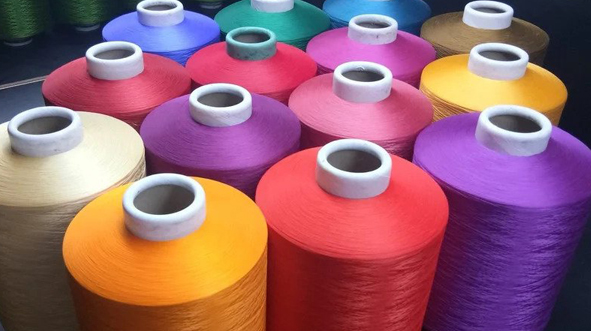
Currently, domestic yarn is priced $0.35 to $0.60 per kg higher than imported yarn. For instance, Bangladeshi spinning mills sell 30-card yarn at around $3 per kg, while similar-quality yarn from India is available at about $2.60. As a result, many export-oriented garment factories rely on imports from India, China and Vietnam.
BKMEA President Mohammad Hatem warned that imposing duties on yarn imports or withdrawing bonded facilities at this stage could severely hurt garment exports, which have already been under pressure for the past six months. He said such measures could trigger a major crisis for the sector.
Echoing the concern, BGMEA first vice president Selim Rahman criticized the proposed duty on yarn imports, calling it a risky move at a time when exporters are facing global demand slowdown, geopolitical uncertainty and domestic energy shortages. He alleged that the decision was taken without adequate consultation with garment exporters, who are the primary buyers of locally produced yarn.
BGMEA and BKMEA urged the government to reconsider the import duty proposal and instead support the textile sector through alternative measures such as direct cash incentives, uninterrupted gas and electricity supply, rational fuel pricing, corporate tax rebates for export-oriented spinning mills, and easier access to low-interest financing.
Senior leaders from both associations attended the press conference, underscoring the industry’s unified stance on balancing support for domestic spinning mills with the need to maintain export competitiveness.