Preferential tax benefits currently enjoyed by Bangladesh’s ready-made garment (RMG) sector may be phased out in the coming years, as part of broader fiscal reforms aimed at ensuring tax equity, according to the chief of the National Board of Revenue.
Speaking at a pre-budget consultation held at the NBR headquarters in Agargaon, Chairman Md Abdur Rahman Khan indicated that the existing reduced corporate tax rates—ranging from 10% to 12% may not continue for long. He suggested a gradual shift toward the standard corporate tax rate of around 27.5%.
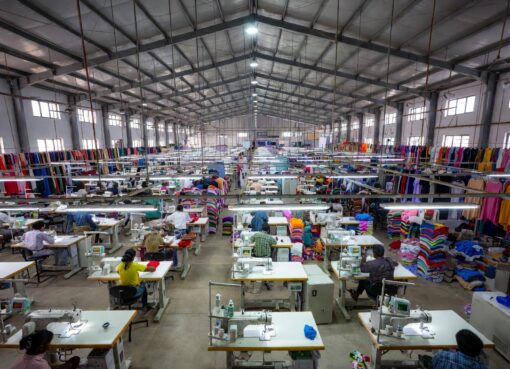
Currently, export-oriented knitwear and woven garment manufacturers, along with environmentally certified green factories, benefit from significantly lower tax rates of 10% and 12%. These incentives were introduced to support export growth and promote sustainable industrial practices in Bangladesh’s key export sector.
However, Khan emphasized that such incentives are temporary in nature and may be withdrawn as part of a wider effort to create a more balanced tax structure. “Such reduced rates won’t last long,” he said during discussions with stakeholders, including representatives from the Women Entrepreneurs Network for Development Association (WEND).
He further noted that exporters already receive substantial relief through a 50% income tax exemption on export earnings. This effectively lowers the tax burden—bringing it down to nearly 12% when applied to the standard 27.5% corporate tax rate.
During the meeting, WEND President Nadia Binte Amin called for a more inclusive tax framework. She proposed equalizing corporate tax rates and reducing the existing 1% tax deducted at source (TDS) on export earnings for fully women-owned enterprises.
In addition, she recommended introducing a 10% tax rebate for companies investing in research and development, innovation, workforce training, and sustainability initiatives.
The proposed policy direction signals a potential shift in Bangladesh’s fiscal strategy, as authorities seek to balance continued export competitiveness with long-term tax system reforms.