

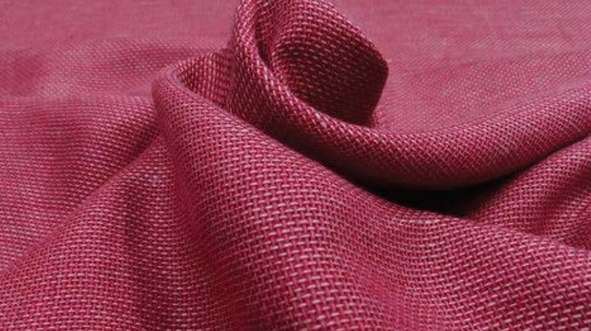
‘JUTE’ THE GOLDEN FIBER OF BANGLADESH
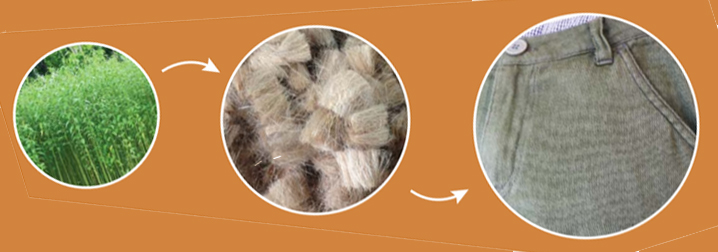
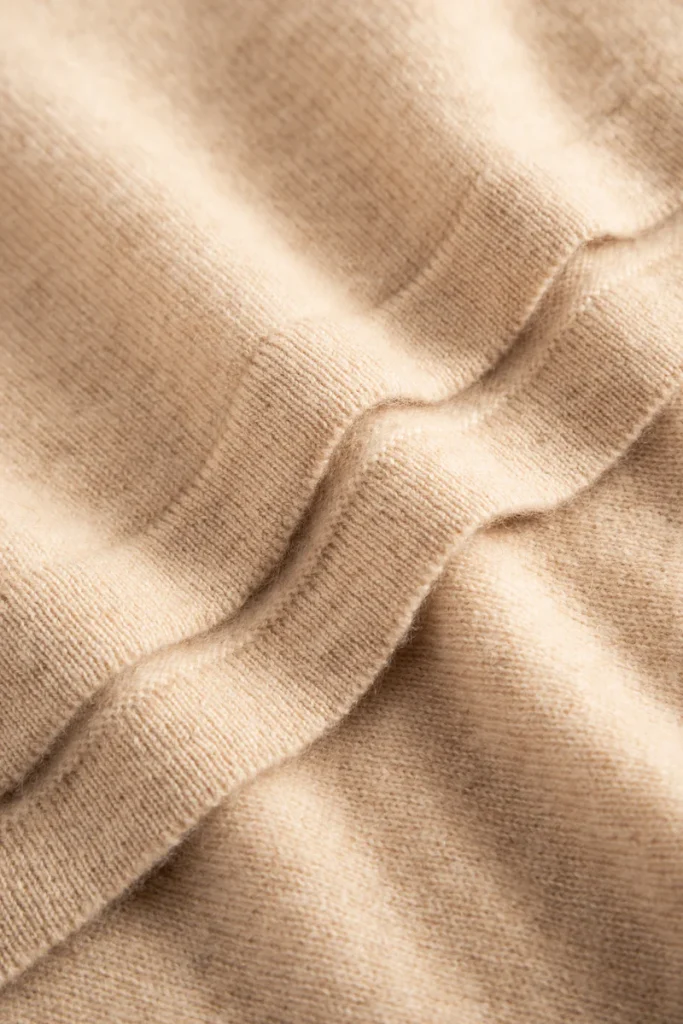 This is a new possibility. Bangladesh Jute Research Center has come up with the possibility of producing sustainable products in fashion and home textiles with jute fiber. Most recently, Zaber & Zubair Fabrics a Bangladeshi Textile mill has started producing fabrics from jute fiber.
Now a days blanket, knitted and designed striped fabric is widely used of cotton in textile. Novotex fabric can be used for furnishing and apparel purposes also. Although Jute fibre is coarse and harsh, by chemical modification we can produce Novocel yarn which can be apply for blanket, knitted and designed striped fabric.100% Jute and jute cotton Novotex fabric can be used for furnishing and apparel purposes, this paper emphasis that stiff finish jute fabric can also be applied for coat, collar and cuff interlinings by special finishing.
Keywords: Jute fibre, Fastness, Novocel yarn, Novotex fabric, Breaking strength.
1. Introduction:
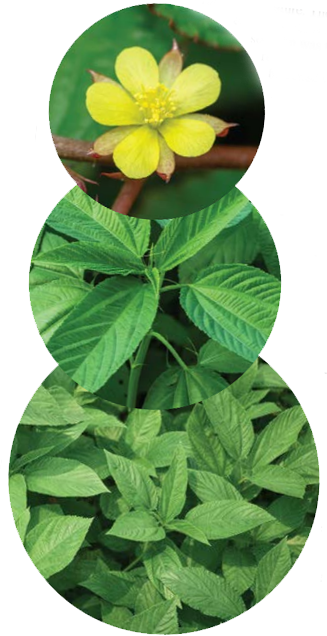
Jute is an ancient natural fibre and various products from it are continued to be used all over the world1.It has low thermal conductivity and a moderate moisture regain with acoustic insulating properties. Jute is a natural fibre popularly known as the “Golden fiber”. Jute fiber comes from the stem of a herbaceous annual plant “Corchorus”. It is cheap and reasonably strong and available in large quantities. Generally used in sacks and packing cloth food storage, Geotextiles, technical textiles and textile composite. Jute is naturally harsh, due to a low wax content and also to its lignified nature 2. It is one of the most affordable natural fibres and is second only to cotton in amount produced and variety of uses of vegetable fibres. Jute fibres are composed primarily of the plant materials cellulose and lignin. It falls into the bast fibre category along with kenaf, industrial hemp, ramie, etc. By jute fibre we can produce jute yarn in spinning section. Yarn is a long continuous length of interlocked fibres, suitable for use in the production of textiles, sewing, crocheting, knitting, weaving, embroidery, or rope making. [3] Yarn can be converted into fabric or textile by different loom or knitting machine. A textile is a flexible material consisting of a network of natural or artificial fibers (yarn or thread). [4] The word ‘fabric’ also derives from Latin, most recently from the Middle French fabrique, or ‘building, thing made’, and earlier as the Latin fabrica ‘workshop; an art, trade; a skilful production, structure, fabric’, which is from the Latin faber, or ‘artisan who works in hard materials’, from PIE dhabh-, meaning ‘to fit together’. [5] It has high tensile strength, low extensibility, and ensures better breathability of fabrics. Therefore, jute is very suitable in agricultural commodity bulk packaging. An important properties of textile is fastness, colour fastness is one of them. Colour fastness is a term used in the dyeing of textile materials, meaning resistance of the material’s colour to fading or running. The term is usually used in the context of clothes. The first known use of the word colorfast was in 1916. [6] Among all dyes Reactive dyes has good fastness properties. Reactive Dyes is a new class of dyes and form covalent bonds with those fibres which possess hydroxyl or amino groups. [7]
2. Material and Methods:
 2 ply of 8 Ibs/spy 100% jute, jute-cotton (80:20) blended yarns were first chemically modified and subsequently dyed and finished for the production of Novocel dyed yarns in order to produce blanket, knitted and designed fabrics. Jute-cotton union fabrics were also chemically modified, dyed and finished for the production of Novotex fabric. Different types of bleached jute and jute based fabrics were stiffed by means of chemical modification.
Production of Novocel yarn : 2 ply of 8 Ibs/spy 100% jute, jute-cotton (80:20), blended yarns were treated with 18% caustic soda solution at room temperature. They were hydro extracted and extracted caustic soda solution was then collected for reuse. These yarns were bleached with hydrogen peroxide (30%), using 5% on the weight of the yarn along with necessary auxiliaries. About 100 kg of yarns were dyed with reactive red and blue cold brand dyestuff (ICI) producing 2.00% shade of red colour by admixture of procion red and procion scarlet using dye assistance sodium chloride and soda ash. About 100 kg novocel yarns were also dyed with brilliant green 1. 5% together with solar red 1% of direct cotton colour group producing bottle green using dye auxiliaries sodium chloride. The yarns were then softened and dried in a heat setting machine.
Production of Novotex yarn : Jute cotton union fabric (80:20) of plain weave construction was padded with 12% caustic soda (150Be) solution in a three bowl padding mangle. It was then washed thoroughly with water for several
times. The fabric was bleached with Hydrogen peroxide (25%) along with necessary auxiliaries and dyed with a mixture of procion brownand procion yellow producing 0.05% shade of colour in an auto close jigger machine. It was then softened and finally cured in a heat setting machine. Various kind of jute fabric such as 100% jute and jute-cotton blended fabric produced the production of white and dyed Novotex products.
Production of stiff finished jute fabrics: Different types of pretreated cream to white jute and jute based fabrics were acetylated with the following recipe in a jigger machine for 15 minutes. The recipe was prepared after several trials in collaboration with dyeing and finishing laboratory.
Acetic acid – 1.5% solution
Xylene – 1.5% solution
Sulphuric acid – 1 ml/litre
Temperature – 700C
Time – 40 min.
It was then washed thoroughly with water and dried. The above stiff finished jute and jute fabrics were then dried and cured in a heat setting machine at 1850C for 1 minute.
About 100 kg of Novocel yarns with various shades of red and blue colour were produced. Some physico mechanical and dye fastness properties of Novocel yarn dyed with reactive red and blue were determined and are shown in table 1. About 100 meter of jute cotton union fabrics were also chemically modified, dyed and finished for the production of Novotex dyed fabrics. Physico mechanical properties including dye fastness to washing, light and rubbing were studied and are shown in table 2. About 100 meter of different types of bleached novotex fabrics were stiff finished. The products were found to have acquired moderate to good wash and stiff finish properties for coat, collar and cuff interlinings. Bending Lengths were measured for determination of range of stiffness.
3. Results & Discussion:
The purpose of this project is to produce Novocel yarn for blanket. Novotex fabrics for furnishing and apparel and stiff finished fabric for coat, collar and cuff interlining for techno economic feasibility study. The caustic pickup of different types of jute yarn and its blend with cotton, fibre materials after caustic soda treatment have been shown in table 1. This caustic soda pickup varies from yarn to yarn ranging from 150 to 200%. This pick up depends on the process of hydroextraction and characteristics of yarn quality. Jute and cotton are cellulosic and hydrophilic character. So the absorption of caustic soda in cellulosic fibre is higher than that of synthetic fibre. It was also observed that loss of weight and tensile strength of different novocel yarns from 19-22% and 42.4- 43.5% respectively. This may be due to removal of hemicelluloses and lignin. It is known that greater extensibility achieved better woollenisation effect which was observed in case of jute and cotton yarn. Washing and light fastness of the dyed yarns were found very good to moderate and rubbing fastness were also excellent.
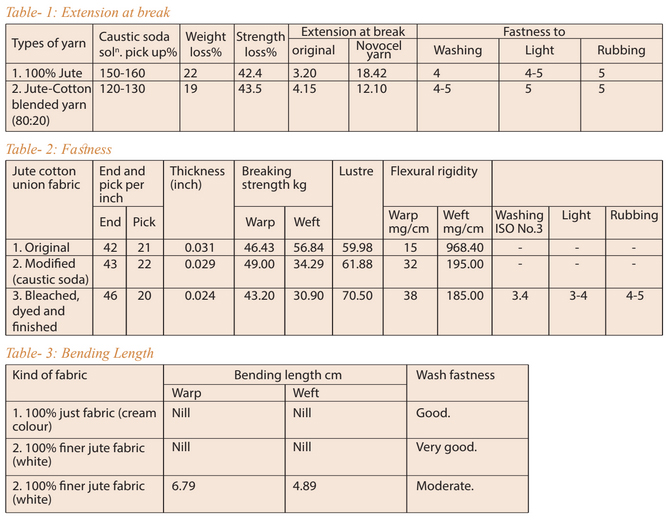
In the production of Novotex fabric cotton thread (18/2s) was used as warp and jute yarn (4.5 1b/spy) as weft. It was observed in table- 2 that after modification with caustic soda treatment at 500C the number of warp thread per inch increased from 42 to 46 were as weft yarn decreased from 22 to 20 due to shrinkage of jute fibre in yarn during woollanisation. The warp strength or modified jute fabric increased whereas the weft strength of jute decreased (Table 2). It is noted that the strength of cotton fabric increased while mercerization is carried out under tension. Both the warp and weft strength of bleached, dyed and finished Novotex fabric decreased due to bleaching dyeing and curing in a heat setting machine.
A moderate to very good wash resist stiffing effect is produced on different types of bleached union and blended jute products. Bending length of the stiff finished fabric were measured for the determination of range of tiffness. It is known that the higher the bending length the better is the stiffness effect. It is concluded from the results in table-3 that the treated fabric achieved very good stiff finished property along with good wash fastness.
4. Conclusion
About 100 kg of Novocel yarns were produced from 100% jute, jute-cotton (80:20), blended yarns by means of chemical modification follow by dyeing with reactive dyestuff. 100 meter of Novotex fabrics were produced usually from jute-cotton union jute polyester blended fabric with satisfactory dyeing properties for furnishing and apparel purpose and 100 meter of different types of bleached Novotex fabrics were made stiff finish for coat, collar and cuff interlinings. Different properties like weight loss, strength loss, and extension at break, lusture, flexural rigidity and stiffness of the respective products were studied.
References
[1] ABM Abul Kassem, Jute and its diversification, page – 53.
[2] Textile fibres and their use, sixth edition oxford and IBH publishing co, New Delhi, Bombay, Calcutta. Page-306.
[3] “Yarn”. Merriam-Webster. Archived from the original on 2012-05-07. Retrieved 2012-05-25.
[4] “Textile”. Merriam-Webster. Archived from the original on 2011-11-09. Retrieved 2012-05-25.
[5] Harper, Douglas. “fabric”. Online Etymology Dictionary. Retrieved 2012-12-11.
[6] “colorfast”. Retrieved December 1, 2011.
[7] A TEXBOOK OF SYNTHET-IC DYES BY O.D. TYAGE & M.YADAV PP-70
Md. Asib Iqbal
Nazmina Chowdhury
Jannatul Bake Molla
Mohammad Maniruzzaman
Md. Ariful Islam
Md. Asib Iqbal is working as a Senior scientific officer of Pilot Plant and Processing Division. Jute Research Institute, Dhaka-1207, Bangladesh. He is engaged in research and development activities of variation of salted sod concentration during Jute dyeing. He has obtained B.Sc in Textile degree from Bangladesh university of Textiles.






Comment here