Industry leaders optimistic as factories shift toward sustainable production
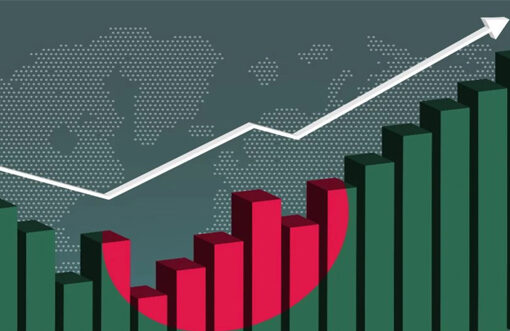
Bangladesh’s apparel exports to the European market may face an additional carbon tax of nearly 5% after 2030 if emission levels are not reduced, a new study has warned.
The European Union (EU), Bangladesh’s largest export destination, has introduced the Carbon Border Adjustment Mechanism (CBAM) to curb emissions across global supply chains, with apparel likely to be included by 2030.
According to research by Professor Mustafizur Rahman, distinguished fellow at the Centre for Policy Dialogue (CPD), and Mohammad Imraj Kabir, if emissions persist at current levels, Bangladesh could face a 4.8% carbon tax on apparel exports, which, combined with the loss of duty-free access after the country’s LDC graduation, may push total tariffs close to 17%.
“The carbon tax on Bangladesh’s apparel exports to the EU, using the EU-CBAM methodology, is estimated at 4.8%. If the average EU import duty of 12.1% is added, the total tariff could reach around 16.9%,” the report said.
Even if the EU extends duty-free access until 2029, some CBAM-related costs could still apply during 2026–2029 if apparel is included in the mechanism.
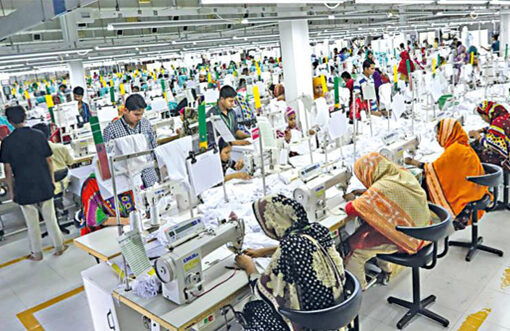
Despite the warning, industry leaders remain confident. Mahmud Hasan Khan Babu, president of the Bangladesh Garment Manufacturers and Exporters Association-BGMEA said many factories have already adopted renewable energy and green manufacturing practices, aiming for 30% renewable energy use in line with EU requirements.
Smaller and medium-sized factories are also being supported to meet sustainability standards in partnership with the government. Bangladesh already hosts nearly 300 green-certified factories under the US Green Building Council (USGBC), reflecting significant progress.