

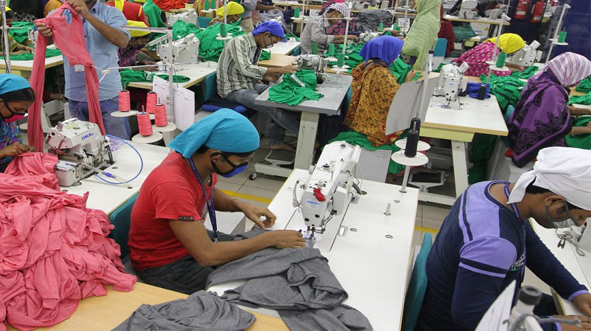
Open costing, where buyers determine prices based on a transparent breakdown of production costs, has expanded from 10% to 60% of Bangladesh’s total garment exports. Major brands like H&M, Walmart, and UNIQLO use this pricing method, which limits factory owners’ ability to maintain profits.
- Profit Margins & Challenges: Factories operate on razor-thin profit margins of 1% to 4%, making survival difficult. Many struggle with financial losses due to unexpected costs like supply chain disruptions, labor unrest, and forced supplier choices.
- Competitive Pressure: Intense competition forces factories to accept break-even prices, as buyers’ factor in government incentives instead of allowing factories to benefit from them.
- Comparison to Other Countries: Unlike Bangladesh, India, Vietnam, and Cambodia manage open costing better due to higher profit margins and fewer disruptions.
- Factory Owners’ Concerns: Many manufacturers feel trapped in a system that assumes stable conditions, which are often unpredictable in Bangladesh.
Overall, open costing gives buyers more control, but factory owners argue it threatens profitability and sustainability in Bangladesh’s garment industry.




Comment here