

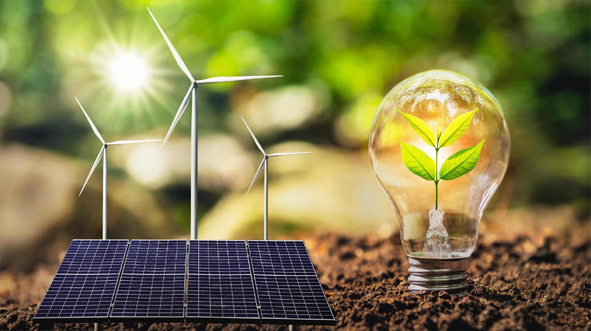
Apparel Impact Institute (Aii), in collaboration with Development Finance International Inc. (DFI), published Landscape and Opportunities to Finance the Decarbonization of Bangladesh’s Apparel Manufacturing Sector, a report highlighting how Bangladesh’s apparel and textile industry can lead global decarbonization efforts while unlocking substantial economic and social benefits.
As of 2023, Bangladesh is among the top five countries with the largest potential for greenhouse gas (GHG) emissions reductions in the industry. The apparel and textile industry accounts for more than 80% of Bangladesh’s foreign export revenue and is well-positioned to create significant GHG emission reductions for the entire country. This report provides a clear roadmap to cut industry GHG emissions in half by 2030, supporting national and global climate targets and delivering long-term value to manufacturers and brands.
“Bangladesh has incredible potential to lead the way in fashion’s decarbonization journey,” said Lewis Perkins, President of Apparel Impact Institute. “To realize the potential, the country needs access to growth capital to scale renewable energy and energy-efficient solutions. At Aii, we are proud to help catalyze this investment and we are working to connect existing finance and technical programs to accelerate green investment.”
The analysis revealed that financial constraints are one of the largest challenges manufacturers face when transitioning supply chains: a $6.6 billion investment is required to achieve a 50% reduction in GHG emissions across Bangladesh’s apparel and textile industry. While $1.6 billion is already available through 12 credit lines and revolving funding schemes, and an additional $175 million is anticipated from international and local financial institutions, a $4.8 billion gap remains.
To overcome this gap, the report highlights a combination of strategic financing tools, including blended finance, green bonds, and pay-for-performance models, that can unlock private capital and catalyze the adoption of low-carbon technologies.
The report also addresses other barriers, such as limited technical expertise, underdeveloped energy policies, and costly infrastructure upgrades. To support suppliers in making this transition, the report spotlights high-impact, cost-effective interventions, such as rooftop solar installations, LED lighting retrofits, and waste heat recovery – proven decarbonization pathways that deliver both environmental and financial returns. Through its Climate Solutions Portfolio (CSP), Aii identifies and funds scalable, low-carbon technologies in Bangladesh and globally, while also offering grant support, technical guidance, and real-time performance data to de-risk these investments for suppliers and investors.
“Decarbonizing Bangladesh’s textile and apparel is critical to facilitating a global industry shift in reducing emissions, and this can only be accomplished by closing the existing funding gap through local and international collaboration,” said Emilio Bunge, President and CEO at Development Finance International Inc. “We are glad to have worked with Aii on this report to outline Bangladesh’s opportunities to cut their apparel and textile emissions and identify the far reaching benefits of this effort including the opportunity to create additional local jobs.”





Comment here