

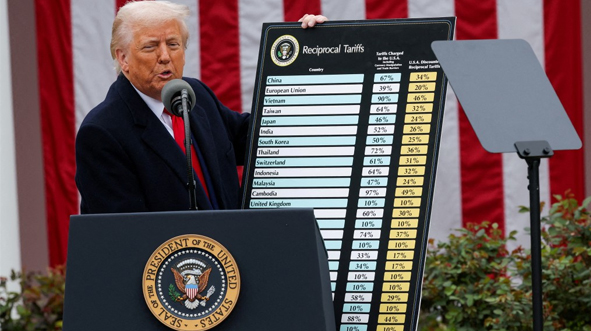
The United States’ new 20% reciprocal tariff on Bangladeshi exports had taken effect from 7th August, raising the total duty on the country’s key export — ready-made garments (RMG) — to 35.5%. The measure, issued under a July 31 White House executive order, applies to all consignments leaving Chattogram port after the deadline. Shipments already in transit will remain exempt.
In FY 2024–25, Bangladesh exported $7.54 billion worth of garments to the US, marking a 14% year-on-year increase. The US remains Bangladesh’s largest single export market, particularly for knitwear. Industry leaders acknowledge the tariff’s potential to impact competitiveness but also see it as an opportunity to showcase manufacturing strength as rival exporting nations face even steeper duties.
Industry response and buyer negotiations
Mohammad Hatem, Executive President of the Bangladesh Knitwear Manufacturers and Exporters Association (BKMEA), noted that when the Trump administration initially imposed a 35% tariff in April, Western buyers sought price cuts of 5–10%. With the revised 20% rate, major bargaining has yet to occur. Given the 28–35 day shipping time to US ports, any consignment departing after tonight’s deadline will be affected.
Finance Adviser Salehuddin Ahmed called the 20% tariff “not ideal” but “preferable” to the original 35%, stressing Bangladesh’s resilience due to it’s over 80% backward linkage in knitwear, timely payments, and strong ethical reputation. However, he cautioned that no formal reciprocal tariff agreement has yet been signed.
Leading exporter AK Azad, of Ha-Meem Group, said US buyers are pressing to share the tariff burden. “Margins are already razor-thin; absorbing further costs is not feasible and this pressure is neither sustainable nor fair.”
Export flow and port activity
Contrary to expectations, there has been no last-minute rush at Chattogram port before the deadline. Syed Tanvir, Managing Director of Pacific Jeans, said port operations remain normal, with exporters taking a measured approach and adjusting long-term plans rather than scrambling to ship.
Rakibul Alam Chowdhury, BGMEA Director, explained that many buyers accelerated shipments before July 31, causing a surge in exports earlier. For new orders, some US buyers are now willing to share the additional costs.
While the tariff poses immediate pricing and negotiation challenges, exporters say Bangladesh’s competitive advantages — especially in knitwear expertise, supply chain integration, and global goodwill — position it to navigate the shift and potentially strengthen its foothold in the US market.





Comment here