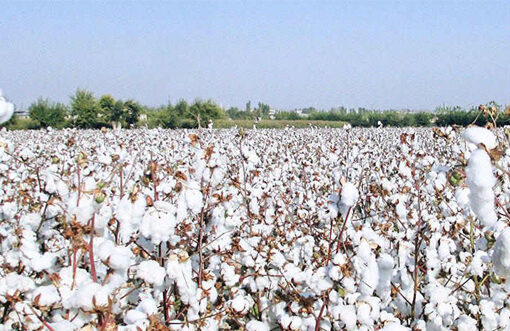
Better Cotton has announced a partnership with carbon removal start-up ‘Planboo’ to support cotton farmers in transforming crop residues into biochar, a sustainable material that both improves soil health and generates potential revenue through carbon credits.
What is Biochar?
Biochar is a charcoal-like substance produced through pyrolysis—the heating of agricultural waste or organic matter in the absence of oxygen. Once incorporated into soils, biochar can store carbon for centuries, while also:
- Improving soil structure and fertility
- Enhancing water retention in dry climates
- Increasing the availability of nutrients to plants
Historical parallels exist:
Indigenous communities in the Amazon Basin created fertile “terra preta” soils using charcoal and organic waste, and similar practices have been documented across Africa and Asia.
Turning carbon storage into farmer’s income
Through Planboo’s digital monitoring and verification tools, farmers can accurately measure the amount of carbon captured in biochar. This data will be converted into verified carbon credits, which can be sold to third-party buyers.
For farmers, this could create a new income stream on top of traditional cotton sales, while contributing to climate change mitigation.
Challenges and Opportunities
While scalability and the credibility of carbon offset markets remain areas of debate, the initiative is one of the first sector-wide efforts to integrate biochar into cotton farming. If successful, it could pave the way for:
- Climate-smart agriculture practices in cotton-growing regions
- Stronger farmer resilience against climate shocks
- Increased investor and brand interest in verified carbon removal projects
Better Cotton has framed this initiative as part of its wider mission to ensure cotton farming is not only profitable for farmers, but also aligned with global climate goals.