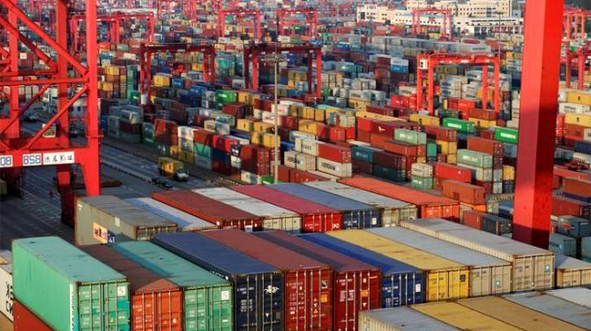
Bangladesh’s industrial sector is bracing for a major cost escalation as the Chittagong Port Authority (CPA) announces a 41% tariff hike on service charges effective October 15, marking the first increase in nearly four decades.
The new tariff adjustment, covering 23 out of 52 service categories, ties rent, tolls, and handling fees to the dollar exchange rate set at Tk122, meaning future devaluations will further raise costs. Under the revised structure, the charge for handling a 20-foot container will rise from Tk11,849 to Tk16,243, while additional fees will apply for import, export, and container movement, pushing overall container handling costs up by 25–41%.
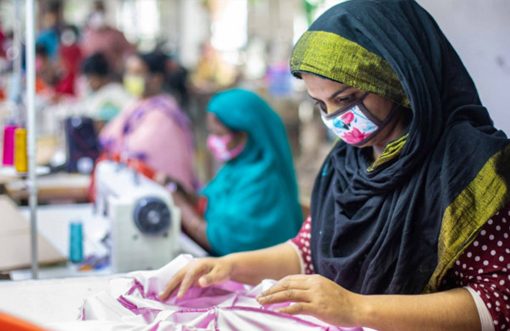
Since over 90% of Bangladesh’s trade flows through Chittagong Port, the tariff hike is expected to significantly increase import and export expenses, fueling inflation and threatening the competitiveness of key export industries. Economists warn that higher import costs will raise production expenses across industries, while exporters—especially in the ready-made garment sector—will struggle to absorb new charges amid declining orders, dollar shortages, and existing tariff pressures from major markets.
SM Abu Tayyab, President of the International Business Forum Chittagong and BGMEA Director, cautioned that the “RMG sector will be hit hardest, as factories must pay higher charges for both importing raw materials and exporting finished goods.”
Industry leaders argue that instead of steep tariff increases, the port authority should have focused on reducing inefficiencies and unnecessary expenses to maintain trade stability. With the tariff overhaul taking effect mid-October, businesses fear a ripple effect across logistics, shipping, and storage costs, which could further weaken Bangladesh’s export-driven economy already under financial strain.