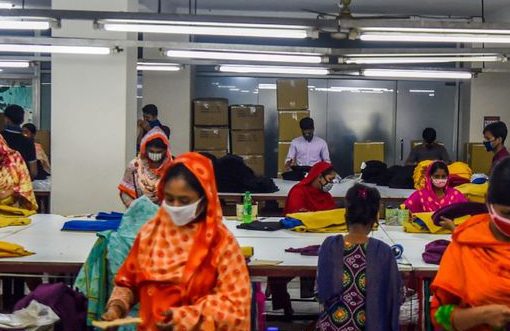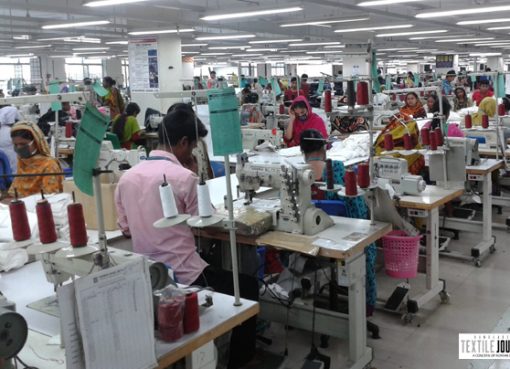
Global cotton markets are heading into 2025–26 with steady production, strong demand from Asian textile hubs, and continued dominance of Bangladesh and Vietnam as the world’s largest cotton importers, according to the latest Cotton: World Markets and Trade report released by the United States Department of Agriculture (USDA).
The USDA estimates global cotton production for the 2025–26 marketing year (August–July) at around 120 million 480-lb bales, broadly in line with the previous season, despite weather-related pressures in parts of West Africa. Global consumption is expected to remain firm, driven by sustained demand from major textile-producing countries.
Bangladesh and Vietnam are projected to compete for the top position among global cotton importers, with each country expected to import around 8 million bales in 2025–26. In the previous season (2024–25), Bangladesh imported approximately 8.05 million bales, officially overtaking China to become the world’s largest cotton importer.
The report highlights Bangladesh’s continued reliance on imported cotton, as domestic production remains limited. African cotton has emerged as a key source, with suppliers such as Benin, Burkina Faso, Mali and Cameroon playing an increasingly important role, alongside major exporters like Brazil and India.
On the consumption side, cotton use remains strong in China, India, Bangladesh and Vietnam, reflecting the resilience of spinning and apparel manufacturing despite global economic uncertainties. The USDA notes that Asia continues to anchor global cotton demand as brands diversify sourcing and rebuild inventories.
In terms of pricing, international cotton prices softened toward the end of 2025. The USDA attributes this to ample global supplies and cautious buying by mills amid shifting apparel demand patterns. Major producers such as China, India and the United States continue to hold significant ending stocks, helping stabilize the market.
The report also points to growing interest in specialty cotton, including long-staple varieties and certified cotton under programs such as Better Cotton and Cotton Made in Africa, which now account for roughly one-third of global cotton lint production.
Despite price pressures and evolving trade dynamics, the USDA expects global cotton trade to remain robust, supported by the scale and competitiveness of textile manufacturing in South and Southeast Asia. For Bangladesh, strong apparel exports and expanding spinning capacity are likely to sustain high cotton import demand in the coming years.