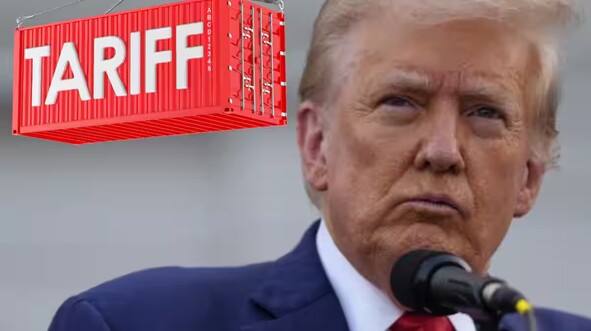
Global trade underwent major disruption in 2025 following President Donald Trump’s return to the White House, as sweeping new tariffs pushed US import taxes to their highest levels since the Great Depression. Aimed at reviving domestic manufacturing, the measures lifted the average US tariff rate to nearly 17 % and generated around US$30 billion a month in government revenue, while triggering market volatility and intense diplomatic negotiations.
Throughout the year, trading partners rushed to Washington seeking relief, resulting in framework agreements with the European Union, the UK, Japan, South Korea, Vietnam and others. However, a comprehensive deal with China remains elusive despite multiple rounds of talks. Europe largely absorbed the impact of tariffs, aided by exemptions and market diversification, while China continued to expand its trade surplus beyond US$1 trillion by shifting exports away from the US and strengthening its position in higher-value manufacturing and critical raw materials.
Contrary to widespread forecasts, the tariffs did not spark severe inflation or a global economic downturn. After a brief contraction, the US economy rebounded strongly, supported by robust consumer spending and an AI-driven investment boom. The IMF even revised its global growth outlook upward as uncertainty eased and partial deals reduced initial tariff threats.
Looking ahead to 2026, key uncertainties remain. A US Supreme Court ruling expected early in the year could challenge the legal basis of several tariffs, potentially forcing renegotiations. At the same time, unresolved US-China trade issues, a possible rethink of EU-China trade imbalances, and the scheduled review of the US-Mexico-Canada trade agreement add to the risk of renewed volatility.
Analysts suggest the Trump administration may soften its tariff stance to limit inflationary pressure, especially ahead of midterm elections, with a negotiated outcome with China seen as both politically and economically preferable.