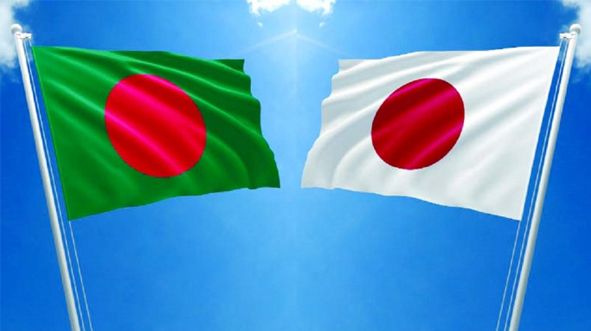
Bangladesh Garment Manufacturers and Exporters Association has described the signing of the Bangladesh–Japan Economic Partnership Agreement (EPA) as a historic milestone in the country’s trade diplomacy, saying the deal will play a crucial role in safeguarding export competitiveness in the post-LDC era.
In a press release issued on 7 February, BGMEA said the EPA guarantees duty-free access for Bangladeshi garments to the Japanese market, while preserving favorable rules of origin, including single-stage processing. This will allow Bangladeshi apparel exports to continue entering Japan tariff-free even after the country graduates from least developed country (LDC) status.
The association noted that Bangladesh exported around $1.41 billion worth of garments to Japan in FY2024–25 and said the agreement aims to raise Japan’s share in Bangladesh’s apparel exports to at least 10%, contributing to the sector’s long-term goal of achieving $100 billion in garment exports by 2035.
“Japan has long been a trusted partner in Bangladesh’s industrial development and economic transformation. This agreement not only secures market access but also creates a predictable and stable trade environment for the RMG sector after LDC graduation,” BGMEA said.
Beyond garments, the trade body highlighted that the EPA is expected to narrow Bangladesh’s trade deficit with Japan, diversify exports beyond apparel, and attract greater Japanese investment, particularly from importers, machinery suppliers, and technology providers.
Bangladesh and Japan signed the landmark EPA in Tokyo on 6 February, marking Bangladesh’s first comprehensive bilateral trade agreement with a developed economy. The deal ensures continued duty-free access to Japan—one of the world’s largest economies—for a broad range of products, including ready-made garments, leather goods, plastics, light engineering products, and selected agricultural items, covering an export market valued at more than $2 billion.
BGMEA also noted that Bangladesh is awaiting the finalization of a US–Bangladesh trade agreement, expected shortly, which could offer zero-tariff access for garments made with US cotton, providing another major boost to the apparel sector.
Economists and business leaders have widely welcomed the Japan EPA, viewing it as a critical instrument for sustaining exports, attracting investment, and ensuring a smoother transition as Bangladesh moves beyond LDC status and faces a more competitive global trading environment.