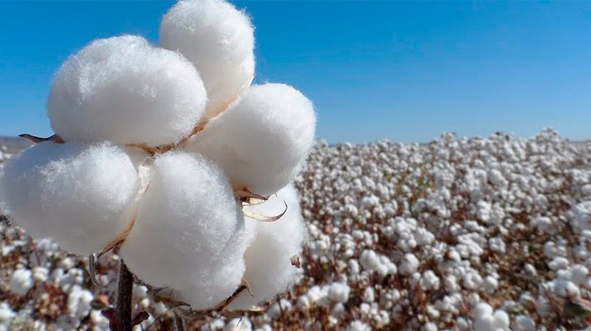
United States Department of Agriculture (USDA) has lowered Bangladesh’s cotton import forecast for the third time for the ongoing marketing year (MY) 2025–26, citing reduced consumption by spinning mills. Bangladesh is now expected to import 77 lakh bales this marketing year—2.5% lower than the 79 lakh bales projected in March. This marks the third downward revision since January, when the estimate stood at 80 lakh bales.
According to local trade expert. the latest adjustment reflects a deeper-than-anticipated slowdown in mill activity. Persistent energy shortages, declining garment export orders, rising yarn imports, and ongoing financial and logistical challenges have significantly curtailed spinning operations.
The downward revision comes as Bangladesh’s ready-made garment exports declined by 5.5% year-on-year during July–March of the current marketing year. Knitwear exports—major consumers of cotton yarn—fell by 6.4% during the same period.
Industry players continue to grapple with macroeconomic pressures, an acute energy crisis, and weakened global demand for apparel. International buyers are reportedly pushing for lower prices, squeezing margins across the value chain. In many industrial zones, gas pressure frequently drops below 2 PSI, forcing mills to operate below capacity and limiting cotton imports to confirmed orders only. Concerns over potential loss of trade preferences following Bangladesh’s graduation from least developed country (LDC) status have further added to industry caution.
In its latest reports released in April, the USDA indicated that domestic cotton consumption in Bangladesh is likely to reach 78 lakh bales—also 2.5% lower than its March estimate.
Globally, however, cotton consumption is projected to rise by nearly 600,000 bales to 11.91 crore bales, driven by stronger demand in China and India.
The USDA forecasts that global cotton trade will increase by 3% in MY26 compared to the previous year, largely due to higher import demand from China and India. However, reduced imports by Bangladesh, Pakistan, and Vietnam are expected to offset part of this growth.
Despite the revisions, Bangladesh is still projected to remain one of the world’s leading cotton importers. Together with Vietnam, it is expected to account for around 35% of global cotton imports in 2025–26. China’s cotton imports are forecast to rise by over 15% to 60 lakh bales, supporting its textile and apparel exports. Meanwhile, India’s imports are expected to surge 38% to 42 lakh bales, driven by consecutive years of lower domestic production.