A fresh phase of uncertainty has emerged in global trade after the Supreme Court of the United States declared earlier retaliatory tariffs imposed by Donald Trump unlawful. Although the ruling nullified the previous tariff structure, President Trump subsequently issued a new executive order reintroducing a 15% import tariff on all countries, keeping the global trade environment unsettled.
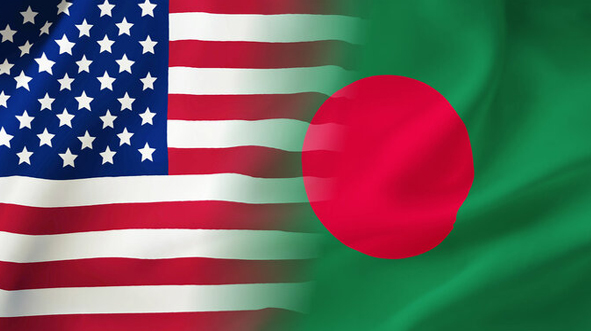
For Bangladesh, whose largest single export destination is the United States, the development presents both risks and opportunities. Analysts say the revised tariff framework has narrowed the relative gap between Bangladesh and competing exporters, as similar tariff rates now apply broadly. However, frequent policy changes have increased uncertainty among US importers, making buyers cautious about placing long-term orders.
Economic analyst Mashrur Riaz noted that while the earlier retaliatory tariffs were effectively canceled by the court ruling, the new 15% duty has prolonged ambiguity. Rather than stepping away from existing bilateral trade arrangements, he suggested Bangladesh should renegotiate unfavorable terms and use the current environment to secure improved market access.
Industry leaders have echoed similar sentiments. Former Bangladesh Knitwear Manufacturers and Exporters Association president Fazlul Haque said the situation offers an opportunity to reassess existing trade agreements with the US. If certain provisions are automatically invalidated due to the court ruling, Bangladesh could benefit. Otherwise, policymakers should proactively review arrangements that were previously less favorable.
Meanwhile, Bangladesh Garment Manufacturers and Exporters Association President Mahmud Hasan Khan Babu said Bangladeshi exporters are now in a comparatively balanced competitive position. However, uncertainty over final tariff rates has made US buyers hesitant, leading to shorter-term contracts and cautious pricing strategies.
Commerce Secretary Mahbubur Rahman said the court decision has effectively put all countries on similar footing under the new tariff structure, but the status of bilateral agreements remains unclear. He highlighted that Bangladesh still benefits from zero-duty access for garments produced using imported US cotton and noted that ongoing efforts to reduce the trade gap with the US could continue to yield positive outcomes.
Industry leaders, including current BKMEA President Mohammad Hatem, have urged the government to reopen discussions with US authorities to clarify the implications and protect Bangladesh’s export interests.
Entrepreneurs believe that once policy stability returns, Bangladesh could strengthen its competitive position in the US market — but until then, export planning will remain cautious amid evolving trade dynamics.