Bangladesh continues to fall behind regional competitors in attracting foreign direct investment (FDI), according to a recent report by the United Nations Conference on Trade and Development.
While Bangladesh performs better than the average least developed country (LDC) in absolute FDI inflows, the report notes that it underperforms when measured against key indicators such as population size, economic scale, and gross fixed capital formation. FDI currently accounts for just 1% of gross fixed capital formation and 0.4% of GDP.
The findings were presented at the Bangladesh Investment Development Authority, highlighting that Bangladesh received an average of $1.5 billion in FDI annually between 2019 and 2024—significantly lower than regional peers like Vietnam and Indonesia.
The report also indicates a downward trend in FDI inflows since 2019, despite relatively stable overall FDI stock. Analysts attribute the slowdown to macroeconomic challenges, including currency depreciation, foreign exchange constraints, energy disruptions, and rising inflation.
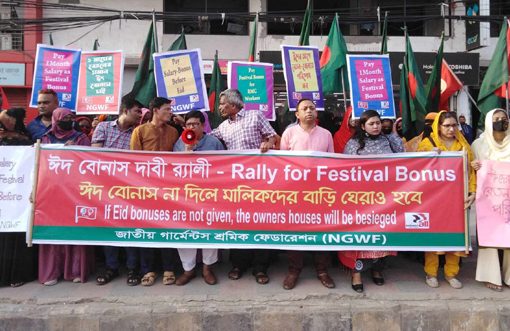
Additionally, political uncertainty and labor unrest in key sectors such as garments have contributed to cautious investor sentiment. Although early data for 2025 suggest a modest recovery, the increase has been driven largely by reinvested earnings rather than new investments.
UNCTAD recommends comprehensive policy reforms, including a modern investment law, streamlined procedures, and improved investment facilitation to enhance competitiveness. Strengthening institutional capacity and aligning with global standards will be critical for Bangladesh to attract sustainable and diversified foreign investment in the coming years.