

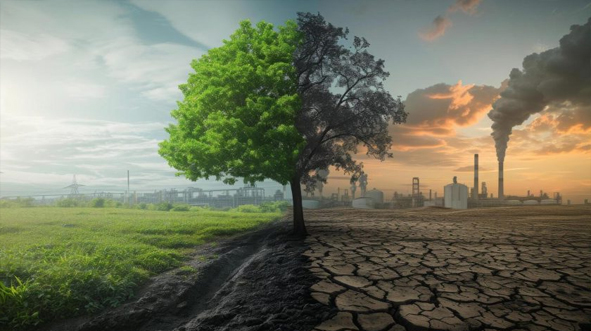
Bangladesh loses 1%–2% of its annual GDP due to climate-induced disasters such as floods, droughts, cyclones, tidal surges, and heat-waves, highlighting the urgent need for sustainable climate resilience strategies. Despite its limited resources, the government has undertaken numerous initiatives, including over 800 projects funded by the Bangladesh Climate Change Trust Fund and allocating 6%–7% of the national budget annually to climate-related actions.
These insights were shared at the closing ceremony of the “Climate-Resilient Infrastructure for Sustainable Community Life in the Haor Region of Bangladesh” (giz-Haor) project, implemented by Palli Karma-Sahayak Foundation (PKSF) with German government support. The event emphasized the importance of long-term partnerships and collective action involving the government, private sector, and NGOs.
The project constructed 1.54 kilometers of climate-resilient infrastructure in Sunamganj district, benefiting around 7,500 families. This included protective walls, elevated community spaces, and tree plantations, improving food storage, economic resilience, and biodiversity.
PKSF, a Direct Access Entity to the Green Climate Fund, has secured $447.3 million for climate projects and is actively working to boost community resilience through sustainable agriculture, water management, and disaster risk reduction. German representatives reaffirmed their commitment to supporting Bangladesh’s climate and development goals.







Comment here