


Executive Summary
Bangladesh is undergoing rapid development, driven by a robust export-led economy, geographical advantage, and a growing youth workforce. Government bodies such as BEPZA, BIDA, and BEZA are actively facilitating investment opportunities, and the country is increasingly attracting international investors. However, persistent and deep-rooted labor discontent presents a significant threat to the sustainability of this growth. Worker dissatisfaction—manifesting in strikes, protests, and disruptions—undermines the country’s attractiveness as a stable investment destination. This report analyzes the root causes of labor unrest, its historical context, institutional weaknesses, and offers structural solutions to create a sustainable and investor-friendly labor environment.
1. Labor discontent: A core barrier to investment
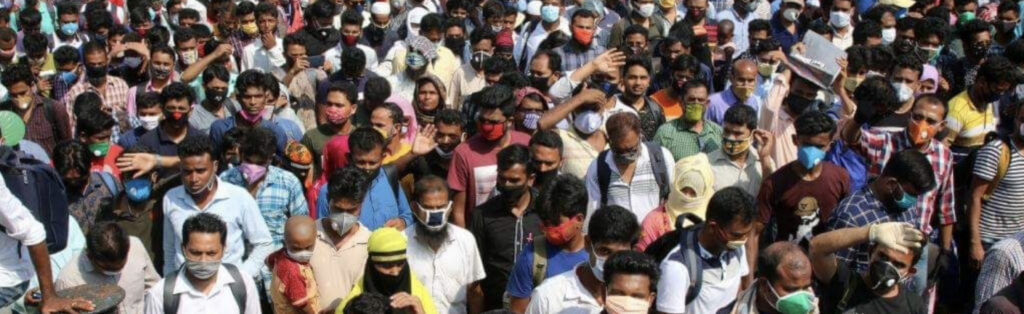
Despite economic progress, Bangladesh continues to face chronic labor unrest, especially in industrial sectors like ready-made garments, electronics, and agro-processing. The issues stem from:
- Irregular wage and bonus payments
- Unsafe working conditions
- Harassment and discrimination
- Poor grievance redress mechanisms
- Limited access to unions and legal aid
These problems are not isolated incidents but the result of long-term systemic neglect, making worker discontent one of the most critical deterrents to foreign direct investment (FDI).

2. Historical context of labor unrest
Labor dissatisfaction in Bangladesh has been persistent since the 1970s and escalated dramatically with the rise of the RMG sector:
- 1974 famine triggered protests over wages and rations.
- 2006: Formation of the Minimum Wage Board after major worker protests.
- 2012-2013: The Tazreen fire and Rana Plaza collapse drew global scrutiny.
- 2020 COVID-19 pandemic: Mass layoffs and salary cuts heightened unrest.
- 2023–2024: Political instability, inflation, and currency crises intensified protests.
These events have tarnished Bangladesh’s global image, prompting many international brands to shift operations to other countries like Vietnam and Ethiopia.
3. Weak institutional framework
Several institutional shortcomings aggravate worker discontent:
- Ineffective implementation of labor laws due to manpower shortages, limited skills, and inadequate resources.
- Inactive negotiation bodies like joint consultation committees that fail to bridge the gap between workers and employers.
- Absence of accessible grievance redress systems, leaving workers without proper channels to voice concerns.
- Overreliance on law enforcement, particularly industrial police, often leads to reactive suppression rather than proactive resolution.
These gaps make the labor environment volatile, which in turn discourages long-term foreign investment.
4. Investor sentiment and economic implications
Foreign investors prioritize:
- Political and economic stability
- Infrastructure and legal certainty
- Labor conditions and compliance with international standards
Despite infrastructure improvements, labor unrest sends strong negative signals, undermining confidence. Repeated incidents of protest and production halts contribute to missed deadlines, buyer withdrawals, and factory closures—jeopardizing both jobs and national economic growth.

5. Recommendations for structural reform
To address the root causes and build a sustainable industrial environment, the following reforms are critical:
A. Institutional Strengthening
- Reform DIFE (Department of Inspection for Factories and Establishment) with adequate manpower, resources, and skills for real-time inspections and enforcement.
- Mandate ADR (Alternative Dispute Resolution) in labor laws (e.g., under Section 33) for quick and effective conflict resolution.
- Develop active, transparent negotiation committees in every factory.
B. Worker Engagement and Awareness
- Launch motivational campaigns promoting a pro-industry mindset among workers.
- Establish counselling centers and legal aid hubs within industrial zones.
- Provide training for industrial police on labor law, worker psychology, and non-violent resolution tactics.
C. Policy and Legal Reform
- Streamline procedures to revive defunct factories, ensuring speedy payment of worker dues and re-employment.
- Enforce strict penalties for individuals or groups inciting violence or spreading misinformation to destabilize industrial areas.
D. Building Trust and Participation
- Develop mechanisms to ensure worker representation in development policies.
- Recognize workers as stakeholders in national progress, not just labor inputs.
Conclusion
Bangladesh’s economic ambitions hinge on its ability to create a peaceful, fair, and participatory labor environment. While infrastructural improvements and investment facilitation are underway, trust, safety, and inclusion of workers must be placed at the core of industrial policy. Labor discontent is not a temporary challenge—it is a structural issue requiring urgent institutional reform and collective action. The future of foreign investment and sustainable development in Bangladesh depends on resolving this issue holistically.







Comment here