


 I’m sure that most of the parents of the generation Z-children are hardly satisfied with the habits the children are developing, their academic growth and their social upbringing. Generation Z also known as zoomers, the generation which took birth between early 90’s till 2010 have been labeled “digital natives”. Around the world, members of generation Z are spending more time on electronic devices and less time reading books than before, with implications for their attention span, their vocabulary and thus their school grades, as well as their future in the modern economy. Besides, the covid pandemic, with academic institutions closed, the kids have become more nocturnal and more zoomers. They have created their own perspective (ideologies) which is to the parents, a disturbing sign but also do not match the expectations of parents. For example, most of the owners of business entities can hardly attract their kids to their business. It is almost like forcefully dragging the kids into their business. Most of these efforts fail in the long term, for one reason or another.
It is very well known that most businesses around the world do not survive at the third generation. Apparently the third generation, used to have ready-made wealth and privilege, is likely to spend the business into bankruptcy. They will likely to have a very difficult time to run a business and providing the leadership necessary for the legacy business to survive.
The third generation usually have lack of particular- business knowledge, interest in doing that particular business  so they naturally keep distance from that particular business and easily become prey to quick money through diversification and usually incur serious losses in their personal ventures. However, the seeds for a successful transition to a third generation are sown early in the company’s hey-days. As he/she builds the business, the founder makes an effort for family involvement that is usually well established by the time his/her children take over. The tone in most businesses usually falls somewhere between two extremes: the family-first culture and business-first culture. Both cultures are suitable in their own situations.
In the family-first business, the children in the second generation, are set up as passionately active partners. The brothers and cousins trust one another, communicate easily on business matters, and generally have more drive and energy than any hired employees. Early on they get the message from parents that they must work together and resolve their conflicts.
Generally, the family-first enterprise is a brilliant success in the initial phase of second generation management. The business is still growing and the thrill about the visible growth sustains the partnership. Mother may still be around to moderate any conflicts that arise. The spirit of “the unity” is so deeply ingrained that it would be embarrassing and painful for any of the partners to cut out off the business or do less in their efforts.
The glory days can sustain for some time. Soon and surely, the siblings enter a more realistic phase in which they may realize that one or more of their group has serious shortcomings. There could be a lazy brother or another who is a loudmouth or with some addiction. At about the same time, spouses may begin to announce themselves. As the in-laws insist on larger roles for the spouses in the business, they may drive a rift between the partners.
 The dis contention become more visible and an over confidence of running a business arises-(i can do better business than my brothers and sisters, they are nothing but a nuisance to the business). Disillusionment sets in. The brothers and sisters spend much time apart from one another and have difficulties in coordinating their business activities. Their willingness to discuss and negotiate or contribute to the business is limited. The business is held together more by the fear of an embarrassing breakup than by the desire to work as a team.
With the passage of time, the gap between older generation grow, the grand children (the third generation) now enter the picture and become an even greater force accelerating the partnership toward collapse. One partner can’t stand his nephew, who thinks he/she’s enough and doesn’t have to work. Another complains having to train a partner’s incompetent son or daughter. In some businesses, the entry of the children into the business is the most difficult thing that the partners can manage. Family politics take precedence over the success of the business.
The good news is most generations want the business to succeed but in that business gradually causes lack of interest and deficiencies are exposed and the siblings often get rid of their shares.
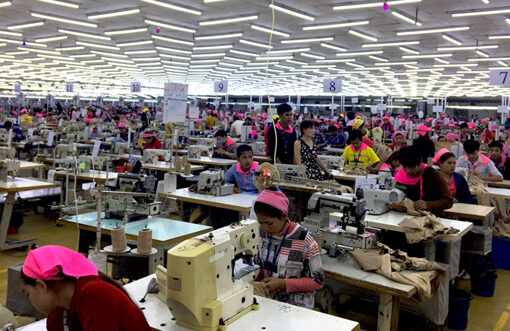
I have been in education sector for more than two decades, most often teaching the children of affluent class and a lion share comes from textile and garments sector or its ancillary activities. In my life time, as you must have seen, many apparently invincible businesses could not be continued by 2nd or 3rd generation siblings of the founders. What could be the reasons if you ask me, I would humbly reply lack of particular business-knowledge, skills therefore lack of interest settles inside them for that business, and a hollow feeling of superiority complex of the siblings, segmentation of business units are among the most visible one. It often arises from the owner’s super busy life, trying to earn money for their siblings and there is of course neglecting to lay down a career plan for their siblings. Unfortunately, I have met a lot of super-rich fathers who know the capacity of machines and in their factory or ‘who is who’ in their business by name but do not know what their children’s academic subjects are. I am sorry, they think the mother is doing their duty about the child’s education. I cannot deny that some mothers are doing fantastic job of grooming their children but most mothers may lack the insight of what is required to sustain the family business, the fathers here are in a better position to guide their children about the fundamental requirements of their family business.
Education, training and experience to the younger generation is a must to attract the younger generation to get a career out of the family business. Like a business plan, the lack of particular skill, or education parents must lay down a good career plan for their children also. The kid should be practicing religious, skill in languages, mathematics and combined-sciences are essential in elementary classes and middle sections classes for the kids. The children must enjoy their education, gain knowledge but in order to pursuit better grades should not sacrifice their health or social life. Since i am an English medium academician, it is logical for me to suggest English medium courses. Indeed Bangladesh national curriculum is more suitable in some cases but choice of subjects is less varied than English medium curriculum.
Since this is trade magazine focused on textile and garments, I guess those who are reading this article, have interest in textile, garments and fashion and may want their next generation to seek interest in family business. In order to make the next generation more eloquent in the family business, I suggest the kids should have informal knowledge from their parents who can share their visions regarding the business and the role they should play in the future of the family business. The parents can also share the challenges the decision maker faces while running their business. The kids should have primary knowledge about the documents involved in purchasing real estate.
Well! Another good news is, the kids can start formal education in textile, garments and fashion as an o’level subject. There is a subject in Cambridge curriculum at O’levels fashion & textiles (6130) gradually becomes design & textiles (9631) at A-levels. The dynamic, Mr. Abdullah Mohammed Zaber of Noman Group and his spouse, have realized the
need-based qualification and encouraged their eldest one to take fashion and textile, the first student to take this subject in the country. Although academic assistance in Bangladesh for this subject is scarce but can be dealt with
in-home or offshore assistance.
The best thing about your children is “they already ‘have it ‘ in their blood” and will be easier for them to grab the knowledge than the rest of the crowd. My humble advice is to get your children and sibling involved in your business, try to take them to your work place as a field trip. Tell them how you have built the business or career with your hardship and talent but also do not forget to tell them the real examples of businesses that have failed in the second or third generation.
For further communication please contact with the editor, I will be happy to volunteer to help.






Comment here