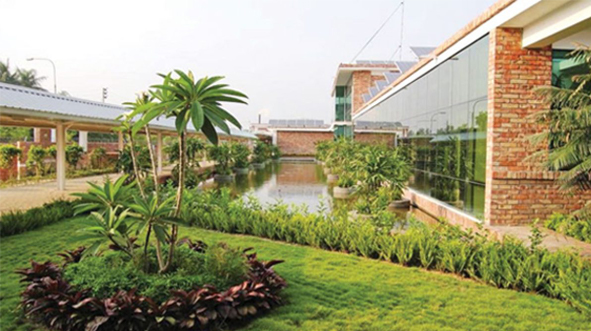
Bangladesh’s ready-made garment industry marked a significant sustainability milestone in 2025 by adding a record 38 new LEED-certified green factories, the highest number achieved in a single year. According to the US Green Building Council (USGBC), this latest achievement further consolidates Bangladesh’s position as the global leader in environmentally certified apparel manufacturing, at a time when sustainability performance is becoming a decisive factor in global sourcing decisions.
A historic year for green manufacturing
Of the 38 factories certified in 2025, 22 achieved LEED Platinum status, 11 secured Gold certification, and five received Silver certification. Notably, none of the newly certified units were rated at the basic Certified level—an indication that manufacturers are no longer targeting minimum compliance but are instead investing in higher environmental performance benchmarks.
With these additions, Bangladesh now hosts 270 LEED-certified garment factories, including 114 Platinum-rated and 137 Gold-rated facilities. No other apparel-producing country comes close to this concentration of top-tier green factories, underscoring Bangladesh’s unique role in shaping sustainable industrial practices in the global fashion supply chain.
Drivers behind the surge in certifications
Industry experts point to several interlinked factors behind the rapid rise in LEED-certified factories:
Strategic investment by manufacturers
Despite cost pressures and market volatility, leading garment manufacturers continued to invest in green buildings, energy-efficient machinery, advanced wastewater treatment, and climate-resilient infrastructure. These investments are increasingly seen not as optional upgrades, but as long-term risk mitigation measures.
Institutional support and industry coordination
Industry bodies, particularly the Bangladesh Garment Manufacturers and Exporters Association have played a key role in promoting green factory development through awareness campaigns, technical guidance, and engagement with international buyers and certification bodies.
Buyer-driven sustainability requirements
Global apparel brands are tightening environmental expectations across their supply chains. LEED certification has emerged as a credible, internationally recognised benchmark that helps buyers assess factory-level environmental performance in areas such as energy use, water stewardship, indoor environmental quality, and site sustainability.
Access to preferential sourcing and finance
Green-certified factories often enjoy advantages such as long-term sourcing commitments, better pricing discussions, and improved access to green financing instruments, including sustainability-linked loans and concessional credit facilities.
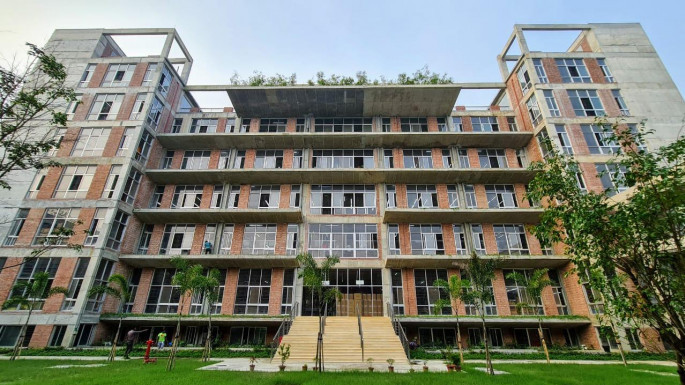
What LEED certification delivers in practice
LEED-certified garment factories typically demonstrate measurable improvements across multiple operational areas:
Energy efficiency: Reduced electricity consumption through efficient lighting, HVAC systems, and renewable energy integration
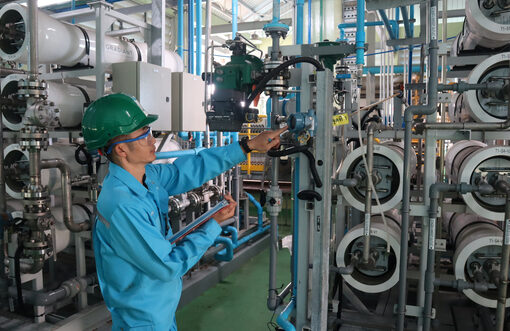
Water management: Lower freshwater intake via rainwater harvesting, water recycling, and advanced effluent treatment plants (ETPs)
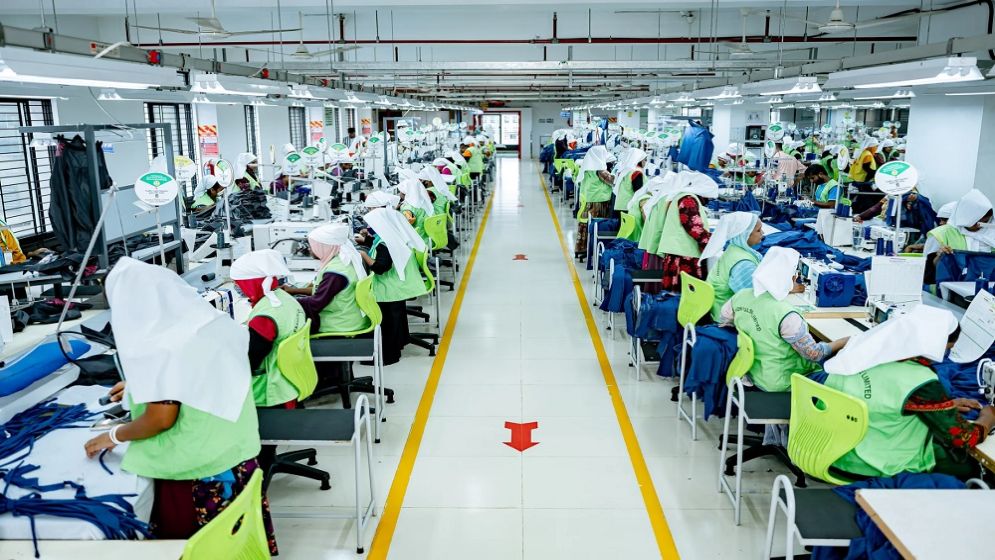
Environmental quality: Improved indoor air quality, natural lighting, and thermal comfort for workers
Lower carbon footprint: Reduced emissions through efficient design, cleaner energy use, and optimised production layouts
These improvements not only reduce environmental impact but also lower long-term operating costs, enhance worker well-being, and improve overall productivity.
Bangladesh’s global standing in sustainable apparel
Bangladesh’s leadership in green factory certification has reshaped international perceptions of the country’s garment sector. Once primarily associated with cost competitiveness and volume production, the industry is now increasingly recognised for its capacity to combine scale with sustainability.
The country’s dominance in LEED-certified apparel manufacturing is particularly significant given its position as one of the world’s largest garment exporters. This scale amplifies the global impact of sustainability gains made at factory level, contributing meaningfully to reductions in energy use, water consumption, and emissions across the global fashion industry.
Alignment with global sustainability trends
The record number of certifications in 2025 aligns with broader global shifts in regulation and market expectations. Key developments influencing the sector include:
- Stricter environmental regulations in the EU and other major markets
- Carbon disclosure and pricing mechanisms affecting supply-chain emissions
- Mandatory sustainability reporting and traceability requirements
- Growing consumer demand for ethically and environmentally responsible products
LEED certification has become an important reference point as Bangladeshi manufacturers prepare for these changes, offering a structured framework to demonstrate compliance and continuous improvement.
Challenges and the road ahead
While the progress is notable, challenges remain. Green factory development requires substantial upfront capital, access to technical expertise, and stable policy support—factors that can be difficult for smaller and mid-sized manufacturers. In addition, sustainability expectations are evolving beyond buildings alone to include process emissions, circularity, chemical management, and product-level transparency.
Looking ahead, industry observers expect the next phase of development to focus on:
- Integration of green buildings with low-carbon production systems
- Adoption of circular practices, including waste reduction and recycled materials
- Digital sustainability reporting and data transparency
- Greater use of renewable energy and energy storage solutions
A strong signal of readiness
The record number of LEED-certified factories added in 2025 sends a clear signal: Bangladesh’s garment sector is actively preparing for a future defined by sustainability, transparency, and accountability. While market conditions remain challenging, the industry’s continued investment in green manufacturing demonstrates resilience and strategic foresight.
As global fashion transitions toward more responsible production models, Bangladesh’s growing portfolio of green factories positions it not just as a leading sourcing destination, but as a benchmark for sustainable apparel manufacturing worldwide.