

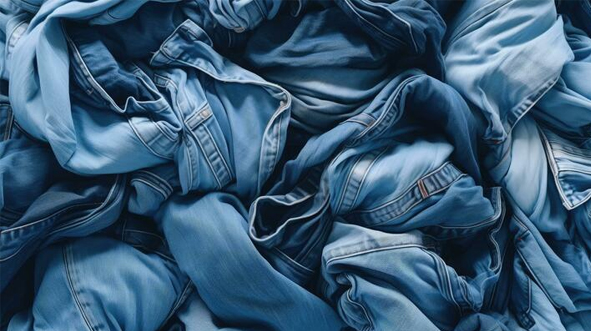
 From East to West, North to South or from Hanks to Hendrix, in every genre, it is visible that the eras in later half of 20th century onward, mass people had one thing in common that they wear jeans made out of denim, in the form of pants or jackets, no matter, whether it was in North America or in Europe, these jeans become the most popular casual wear around the globe. Today, if we get inside any clothing shop in Dhaka, Chittagong or any other cities in Bangladesh, we probably will see there are piles of pants in men’s or in women’s section which are mostly made from denim fabric, popularly known as ‘Jeans’. This scenarios will not only be seen in Bangladesh, perhaps this is the picture that we see everywhere. In Europe, America, Asia, Australia or in any corner of the World, no matter what brands are they, the entire supply chain is so closely connected with Jeans wear and this clearly shows that these wears made of denim are the most popular clothing wear in the whole World.
Though the spread of Jeans happened right after the Second World War by the American soldiers who were out there in many countries, took part in the World War II but at the very beginning, denim creation used to be work-wear for farmers, miners and cowboys in North America and in some part of Western Europe. But denims are now being created for everyone, no matter, what they do or where they live. Though Denim may still have an association with iconic Americana but in recent decade, connoisseurs have different views on to other country as the leading denim producer and trendsetter, yes, Japan is the producer of fascinating denim that has hit the world with new bench marks. Some historical information and incidents about denim evolution shows here how textile innovation and savvy cultural adaptation helped Japan to redefine jeans wear for the modern era.
HISTORY OF DENIM
The names, the roots and the evolution of Denim
 Though Jeans were invented in America in mid nineteenth century by a Bavarian-born American businessman who migrated to the USA from Germany, named Levi (Loeb) Strauss though it has a direct connection with French roots for the blue colored fabric. In 1853, the 24 year-old entrepreneur left New York for San Francisco where the California Gold Rush took place in full swing, took some small supply of dry goods with an intention of opening a branch of his brother’s New York dry goods business. One day, a client came to the shop to see what was on for sale and in reply, the young Strauss told him that he had rough canvas to use for tents and wagon covers. By seeing the canvas, the client said, “You should have brought some pants made of these!” as he could not find a pair of pants strong enough which lasts long. Those words hit in Strauss’s head and he started making experimentation and eventually he had been able to make pants and trousers from that canvas cloth which was from a tough cotton fabric called “Serge de Nimes”. They named it ‘Denim’ as this fabric was produced in ‘Nimes’, a city in the Languedoc-Roussillon region of Southern France. The fabric was dyed in indigo blue because that was the cheapest dye in the market. Mr. Strauss found the fabric was just perfect for the trousers which were to be worn by men working in extreme conditions- strong, thick cotton which gives durability. He called it ‘Jeans’, named after the blue dye that was used called ‘Genoa’ for dying the fabric. The blue Jeans made by Levi Strauss was an instant hit for the manual workers across America.
 Another source said about the history that one of Levi’s customers was a tailor named Jacob Davis. One day, a laborer asked Jacob to make a pair of pants for her husband that wouldn’t tear apart soon. Jacob tried to think of a way to strengthen the trousers and came up with the idea to put metal rivets at points of strain, like pocket corners and the base of the button fly. These riveted pants were an instant hit and Jacob quickly decided to take the patent for his design and to manufacture in a bulk volume but to finance his idea, he needed a business partner to help to get the project rolling. He immediately thought of Levi Strauss, from whom he had purchased the cloth to make riveted pants. Davis wrote to Levi, suggested that both of them would hold the patent together. Being an astute businessman, Mr. Levi saw the potential for this new project and agreed to Jacob’s proposal. These two men received patent #139, 121 from the US patent and trademark office on May 20, 1873.
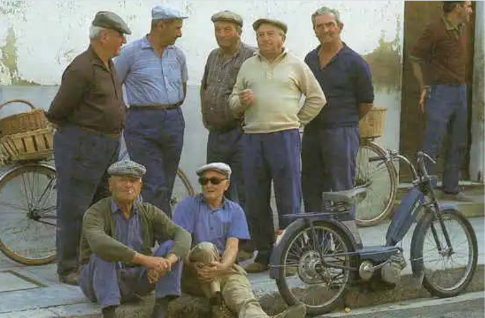
Those blue cloths from ‘Nimes’ used to be popular work wear in France in the late nineteenth century and became the uniform of the manual working class in France. French workers wore ‘blue de travail’ (blues for work) with different forms like Jackets, overalls, trousers but not Jeans which were distinguishable by their use of copper rivets, orange stitching and were closer fitting. They are still popular in France, particularly in rural area.
Back in the 1930s, American craze cowboy movies popularized Jeans or men as actors were portrayed wearing jeans on horse-back with a gun on their sides. American soldiers who went to Second World War, took their Jeans to other countries and they used to wear them and some they sell off to the locals.
In the 1950s and in the 1960s, World renowned celebrity like Marlon Brando, John Wayne, James Dean and even female actress Marilyn Monroe and some others world famous celebrity made the utility wear a fashionable item when they were shown in their hit films and in concerts and Jeans became mainstream wear. By the year 1955, James Dean, who was featured wearing jeans in the movie named ‘Rebel without a cause’ and this attire solidified as a sign and attitude of rebellion. During this period after the World War many Japanese looked forward to the American culture for inspiration on more of freedom and freestyle of life.
HISTORY OF JAPANESE DENIM
Japanese people never have seen denim fabrics or any sort of Jeans wear before the Second World War which happened between 1939 and 1945. During this period, many American soldiers came to Japan due to their war duty and when they had left Japan, American soldiers left behind their belongings including their Denim wears. Japanese people who got those left over by US soldiers, they started selling them on street markets of Japan and out of those item sand jeans attracted a higher attention among the Japanese buyers from the streets. Mostly wealthy younger people and other individuals who aimed to rebel against the established and inherited Japanese culture bought their jeans from US manufactures. American music, films and motorbikes has a great influences and inspiration on Japanese people. Most popular jeans were exported to Japan from America was Levi Jeans created by ‘Levi Strauss’.
Though in second half of the 19th Century, jeans were being created for occupational wear like for mining workers in the US but in the 1950s denim wear was gaining popularity among other nations. The global adoption of jeans wear inspires it in mass production techniques around the late 1960s.
Before the mass production, a pair of jeans would cost so much for the Japanese as they had to import it from the America and there were not enough good supplier in the World for that the price could be competitive. Japanese jeans lovers are so passionate about Jeans wear that they had come to experiment to make their own Jeans wear. Another big reason was when America started massive production of Jeans wear in 1950s, they gradually had lost their good old quality of their jeans.
The very first pair of jeans was manufactured in Kojima region at Kurabo Mills, one of the World’s longest operating mills now running over 110 years. These jeans were produced in April, 1965 under Canton brand by Maruo clothing. In 1967, BIG JOHN jeans were produced alongside Canton jeans and denim were from Cone Mills, the same mill that used to provide fabrics to Levi’s Strauss. While the jeans are getting more and more popular in Japan, the Japanese were deeply craved for a pair of jeans that would be made from top to bottom by their own.
EVOLUTION OF JAPANESE DENIM AND JEANS
There were no Denim or Jeans in Japan just before the Second World War. The Japanese society first came into contact with denim through the American soldier who, when leaving Japan after the World War II, when American soldiers left some belongings behind including their Jeans. That was happened in the year of 1945.
In 1955, the popular film “Rebel without a cause” featured the outlaw of James Dean in an attitude of defiance. Its aesthetic and other elements of American culture attracted the attention of many Japanese.
In 1967, BIG JOHN’s M1002 PROTO MODEL jeans were produced alongside Canton Jeans and were made of denim from Cone mills from USA.
In 1968, M1002 FIRST MODEL was released together with the M2002 boot cut model and the M3002 slim model. Thus, the “first collection” was born.
In 1969, the “ROAD RUNNER” series made its first public appearance. It was the first time that color jeans were made in Japan, this particular jean also featuring a new model, the M4002. This was a cutting edge bell-bottom jean which took off and was widely embraced throughout Japan.
In 1972, the first Japanese denim fabric was produced for the brand when Kurabo Mill created KD-8 which came into existence after eight tries.
In 1973, the “M” series, produced by Big John of Kurabo KD-8 denim, became Japan’s first pair of jeans made entirely by their fellow countrymen.
In 1975, World Worker, a sub brand from Big John made a debut with work pant line.
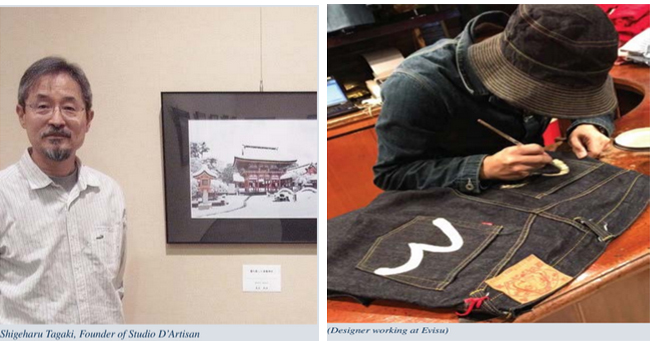
In 1979, Shigeharu Tagaki Created in Osaka- the studio DÁrtisan brand, later joined by the brands Denime, Evisu, Full count and Warehouse which was later known as the Ösaka 5”.
In 1980, Big John developed the World’s first uneven yarn, marking the beginning of the vintage reproduction trend that people love today. It was the first point in which Big John expanded into the international market, supplied much of their jeans widely in Europe and to the USA.
In the 1990s, successful campaigns like “Jeans Revolution” using recycled jeans and natural dyes was marked. The “Rare Meister” collection, with 300 piece hand-made jeans was a great success.
In the millennium, Big John was continuing to push boundaries, publicly calling the 2000s the ëra of proposing new styles and cutting edge.” Later they produced “low-rise jeans” to satisfy the street fashion demands. Following, they release “The Tailored” collection, a slim fit focused jeans and the “M3”, a modern version of their popular 60s slim-fit M3002.
In 2009, attending at Japan expo in Paris, Big John officially re-opened in the European market.
In 2010, Big John celebrated 70th anniversary and released the archive series, reproducing the most classic jeans that they ever produced.
Big John, the pioneer of Japanese jeans, describe them as an innovating and traditional denim brand of the World. Japan has been one of the most inspiring places for the denim aficionados to go to. It is also a place where we can see how the traditional means of production have been preserved and perfected over decades.
WHY JAPANESE DENIM IS THE BEST IN THE WORLDS?
Japanese denims had acquired the name for the best denim in the World and there has number of reasons and definite factors that made Japanese denim so special and quiet unparalleled in this World. Let’s look at the prime factors one by one explained below.
The Weaving
Japanese denim normally woven on antique shuttle loom which are slow in process, rare and takes great skill to maintain and repair and produce unique and extra-ordinary quality fabrics. In modern days, Japanese denim is called selvedge denim because selvedge is the narrow, tightly woven on both edges of the fabric. A selvedge end prevents the edge of the denim from unraveling and shows a clean finished look. Weaving on an old shuttle loom, selvedges are closed whereas on larger modern projectile looms, the weft yarn is cut on every pick which result a fringed edge.
Toyoda Shuttle Loom Made The Revolution For Japanese Denim
In basic terms, Japanese denim refers to denim made in Japan but today it often implies selvage denim. The name comes from the way fabric is woven from the old shuttle looms. They weave fabric with a sealed or self-finished edge, hence the name selvage. It means the end of the fabric won’t fray or unravel. It is noticeable in a pair of selvage jeans by cuff. There is typically a colored line along the out seam. So Selvedge is ‘self-edged’ and some says it Selvage. Initially it used to hold the meaning as selvedge is narrow and tightly woven band on the both edges of the denim fabric. A selvedge end prevents the edge of the denim from unraveling and shows a clean finished look. Old shuttle looms produce denim where selvedges are closed, alternatively, on a larger modern weaving machine, the weft yarn is cut on every pick, resulting in a fringed edge.
The weft (transverse thread) passes under two or more warp (longitudinal thread). Indigo denim, is normally people think of it as jeans are dyed only the warp or the longitudinal threads. If you look closely at a pair of jeans you wear, you will notice the weft or transverse threads maintain their white color. Most denim fabric is woven on slow, inefficient machine until the World’s 11th largest company, Toyota Motor Corporation, came along and set the weaver’s gaze toward the future. Before Toyota was rolling out the World’s bestselling cars, they were producing textile looms under the name of Toyoda Automatic Loom Works.
The founder of the company, Mr. Sakichi Toyoda, introduced the model G Automatic selvage loom featuring new innovations like the ability to change shuttles without stopping among a range of other improvements which lead to a 20-fold increase in productivity compared to other loon in use at that time. Since then, Toyoda brings many impressive and significant updates and innovation on their looms. Toyoda shuttle looms loops the warp thread back and forth on the loom, threading it through the weft threads in a unique way in which the fabric acquires a texture and resilience impossible to achieve on the modern industrial-production loom that were even then becoming dominant through out the World. True denim enthusiasts are known to go months or even years before washing their jeans for the first time as the first wash creates the characteristic fades and creases unique to each wearer and these fading is the best when it is made by a shuttle loom. The introducer of selvage denim is from Toyoda shuttle loom. Selvage or selvedge came from the phrase ‘self-edge’, refers to the natural end of roll of fabric which, when made into a pair of jeans, prevents unreeling of the material. The cost of producing selvage denim is more expensive since it can only weave at a width o 31 inch, which is about half of the length of non-selvage denim, and must be weaved by old shuttle looms which requiring more skill and adeptness. There are several uniqueness in selvedge denim than non-selvedge denim that attracts many denim wearers. Selvedge denims are thicker and denser, holds better quality in feel and durability.
The Dyeing
Unlike other famous denim brand like Levi’s or Wrangler, Japanese denim uses proprietary, old fashioned, natural dyeing techniques that create rich fades and electric blues over time. Many Japanese denim houses have developed their own proprietary dyeing techniques that have been perfected over generations. Traditional dyeing techniques have the craftsman to do it through hand and it takes a lot of time and concentrations along with good craftsmanship. Though many modern denim manufacturers uses color-fast chemical Sulphur dyes, while in Japan most of the denim manufactures use natural indigo dye, a natural process, the results of which can be hard to control but when done it rightly, can produce denim which fades in glorious electric blue hues. Indigo dyed jeans can appear almost black at the first, the turquoise colors only revealing themselves in time. Most denim made today uses synthetic dye which is cheaper and contains less impurities than normal dye, while premium denim often uses natural dye.
“Aizome” The Natural Indigo Dyeing
Indigo used to be a rare commodity in the world as it does not grow every place on earth like rice or wheat or any other crops. Just a few century back, the mysterious natural dyeing stuff was so exclusive that only royal and aristocrats could afford it. Indigo had to be imported with great difficulty from far-off colonies, indigo, which earned a status similar to that of tea, coffee, silk or even gold. It was impossible to grow indigo in any European country due to their cold weather.
Indigo is from the plant group Indigofera. By its name Indigo, we can understand that it comes from India, the literal meaning of Indigo is ‘The Indian’ or ‘From India’ but as we know this indigo can also be found to the tropical zones in Africa, China and the Mayan. History showed that this Indigo was used to dye fabrics dated back 5,000 years, the blue dye stuffs used be derived from the green plant named ‘Indigo Tinctoria’. It is thought to have been used even before Egyptian cloth: scraps of indigo dyed cloth were discovered in Huaca Prieta in Peru, prehistoric settlement excavated in the 1940s.
Due to the rarity of blue dye in nature, ‘Indigofera’ was a highly valuable crop and it has been highly colonized and has a deep dark history of how they had been growing by the people India, Bangladesh and some nations in Africa. The European had come to distant land where they ruled those people and forced them to grow Indigo in favor for their profitable businesses with other nations. With its high demand and high profit, indigo brought strain on the producers. Much of the European indigo was produced in India and Bangladesh and they pushed hard local workers into the turmoil of torture to harvest and provide more crop to meet their high demands thus high profit making from around the World.
How Natural Indigo Was Made
After harvesting of the leaves from Indigo plants, they have to be soaked in water to let the Indican, a type of amino acid, contained therein release glucose. Freed Indican soon starts to ferment with the other plant enzymes. As a result, the water turns yellow after several days. The product of this fermentation process is called indoxyl and as it is left to dry in the air, oxidizes and coagulates into the blue indigo. Then In turn, is mixed with an alkaline solution and the resulting sludge is then pressed into cakes and dried. The hard cakes finally could be ground into a fine powder which contained much coveted dark blue pigment.
Natural Hand Dying With The Best Crafts man ship
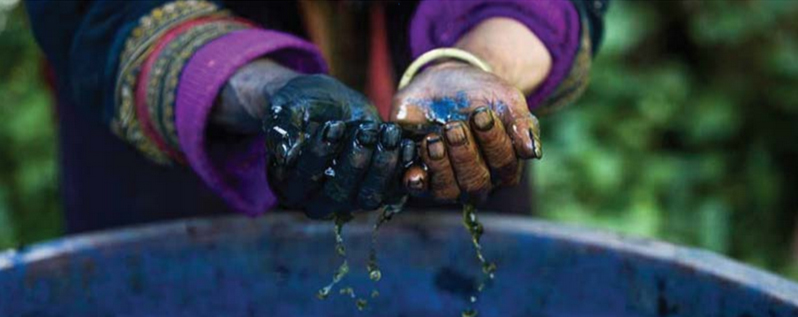
 Japanese denim is processed through manual hand dying before making it a pair jeans. It takes between one to two months for Japanese craftsman to dye those threads a deep indigo blue. Denim made from these threads will maintain this rich color so does the craftsman’s palms along with fingers and nails remain blue for three weeks. These happens because Japanese indigo dyers uses real indigo instead of synthetic dye stuffs that most jeans are
made with today. Each stage of dying process requires a higher level of attention when they are dyed by craftsman hands. Thus a pair of real indigo dyed jeans can cost over thousands of dollars.
The Heavy Weight
In terms of weight, Japanese denim are usually more thicker thus it weight much heavier than other denim and that is why these denim is much tougher and produces richer fades. Some brands topping out at 25 ounces per yard. Considering the average pair of Levi’s jeans coming at around 11 to 14 ounces. Though these thick denims hard on the old looms and difficult to sew but heavy denim offers the user only added longevity but also incredible fade potentials. And also it takes a lot of raw material to produce a pair of jeans at this weight.
The Raw
Many Japanese jeans makers offer jeans that shrink to fit, the way jeans were made a hundred years ago. Most of the jeans in local shops in many countries has gone through processes to make them soft and wearable right off the self and also to ensure they do not shrink after washing. One such process is called ‘Sanforization’ which came into use in the 1930s. Until then, all denim was non-sanforized, refer to as raw or loom-state denim. Though some Japanese denim is sold non-sanforized but a lot of it is sold raw. Most denim lovers just adore the raw feel of non-sanforized denim and see the shrinkage as part of the journey. Jeans must go through the crease, bend and mold perfectly to the body of the wearer.
The Hardware And Details
Japanese denim manufacturers very often use rare material/accessories such as heavy threads, specialized rivets and custom pocket design. Jeans are not constructed from denim alone, if we just take a closer look at rivets, buttons or stitching threads on a pair of jeans, we will see that they tend to be a cut above those produced elsewhere. Most Japanese brands use their rivets and button specially made, holding their company name, logos and other different designs. Other details may include selvedge edge for the coin pocket often called 5th pocket and the inside button fly, extra heavy gauges of thread using several colors of stitching on different parts of the jeans. All these touches needs extra skills and passion to do that. Most Japanese jeans maker use antique machine with vintage sewing techniques such as chain stitching on the inside waistband and cuffs.
The Vintage Folk Roots In Styles
Many Japanese jeans produced now are the replica of the jeans worn in the early 20th century. At the beginning of Japan’s denim boom, in 80s and in 90s, they tried to make replicas of vintage American work and cowboy wear. Even today, if someone needs a model of 501s made in 1944, can get it from some Japanese manufacturers as they still re-produce accurately the cuts, denim, threads and vintage hardware made their replica as classic as they were a century ago. And it is just great for a nostalgic denim fans, just being able to buy a pair of exact jeans that their grand-parents used in yesteryear.
The Exclusivity
It is in human mind that we wish to own something that others do not own. People want exclusivity, and for exclusivity they are always more than ready to pay, even more. Comparatively most Japanese denim producers make very small number of jeans as some are just a family owned business even with just one or two looms to make their denim. Since many brand shop has their own factory with small number of looms and they design by their own way, these gives much exclusivity in Japanese jeans wear.
OSAKA-5
Pioneered Japanese Heritage Denim To The World
The top 5 denim brands that has made Japanese denim popular in the World is together called ÖSAKA-5. The effort of OSAKA-5 had truly inspired other small denim makers only rediscover selvedge denim but also to pioneering new styles, dyes and cuts specially to exploit the unique characteristics of selvedge denim. Japanese denim is now a global phenomenon with the denim town of Kojima as the center of denim attraction for the denim lovers. The five fine brands that make OSAKA-5 are Studio DÁrtisan, Denime, Warehouse, Fullcount and Evisu.
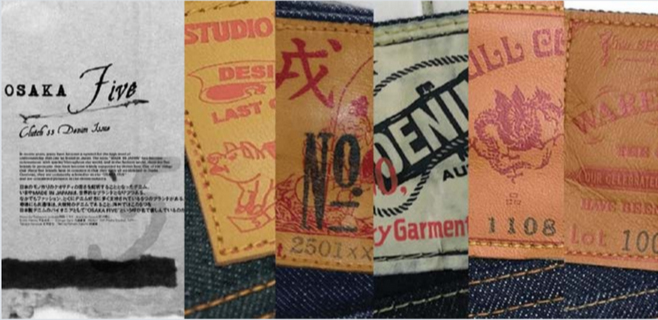
OSAKA-5 had really set the motion that had been able to attract international denim buyers to look for Japanese denim, especially for selvedge denim. Though there were other manufacturer like 45RPM, Kapital, Samurai, Sugar Cane, Dry Bones, Strike Gold, Oni, Eternal etc. on the same time when OSAKA-5 penetrated the international denim market, each was making a claim to a particular especial manufacturing method and they were showing individual aesthetic touch in their finished goods.
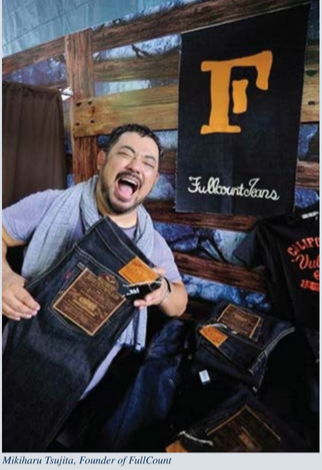
 “It is part of the Japanese soul to want to try to make things better and better-it’s just part of the traditional craftsman mindset here”said Mikiharu Tsujita, the founder of FullCount, another OSAKA-5 member. “It was a simple idea, really, vintage denim was becoming very expensive and needed to bring from all the way to USA and it was harder. Sometimes people think that the idea was just to make replica denim like in the old days. Yes, the vintage feel was the original idea, but the denim itself was genuinely original, too”, added by Mr. Tsujita.
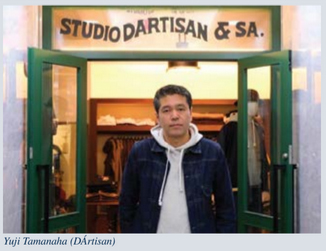
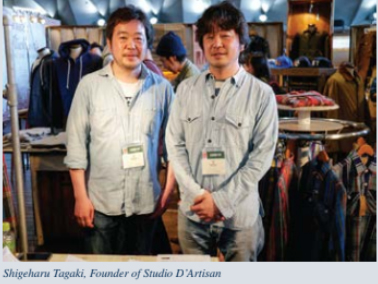
Shigeharu Tagaki founded Studio DÁrtisan who was working in Pierre Cardin in Paris and wanted to bring back to Japan an element of the fashion city’s haute couture and became the first of the OSAKA-5 to launch a pair of Jeans. Their massive hit version was D01 and SD-D01, the jeans, replete with period details including buckle back.
“We were not trying to follow any trends, we just made classic jeans and added some small details taken from Vintage examples. That also meant exploring both old and new ideas like different ways of dyeing the fabric” said the founder of DÁrtisan.
 Designer Yoshiyuki Hayashi had founded Denime label in 1988, technically in Kobe but closely associated with the OSAKA denim boom, concentrated and focused on straight, fast-fading interpretation of vintage American jeans, notably 501s from 1966. Doing so, he had set the tone for many Japanese reproduction brands that would follow. Arguably, it was Hidehiko Yamane, the next one to enter the fray, who would prove more pivotal than either Studio DÁrtisan or Denime’s Hayashi.
Yamane made his first few pairs of Americana-inspired änti-fit” jeans in 1988, gave to some friends to get the reaction and it was so positive, by 1991, he and his colleague Mikiharu Tsujita who later found FullCount, officially launch Evisu, another pillar of OSAKA-5. Evisu’s Seagull paint-mark became a global fashion phenomenon.
Three years later in 1994, Tsujita, who split from Yamane, launch the brand FullCount. They were selling 100,000 pair in 1996, A year later in 1995, the Shiotanis, once worked in Evisu created ‘Warehouse’ and launched its purist, stitch-counting, super detailed lot 1001 jeans, inspired by those of the 40s and 50s.
GLOBAL DENIM MARKET
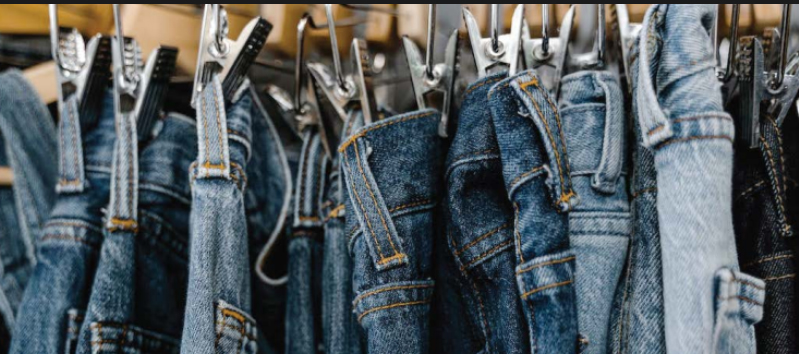
 The total global market value for denim fabric was 22 billion USD in 2020 and is expected to reach to over 26 billion USD by 2026. The retail sales value is projected to reach at about 72 billion USD by 2027. The global Jeans market is forecast to be worth around 87.4 billion USD by the same year.
Though Japan manufactures the best denim in the world, at the same time, it also takes the position of third largest denim importer of the World after EU and the USA. Japan imports around 180 million jeans every year especially from China, Bangladesh, Cambodia and other far eastern countries. And that figures tells how passionate are Japanese about Denim.




Comment here