

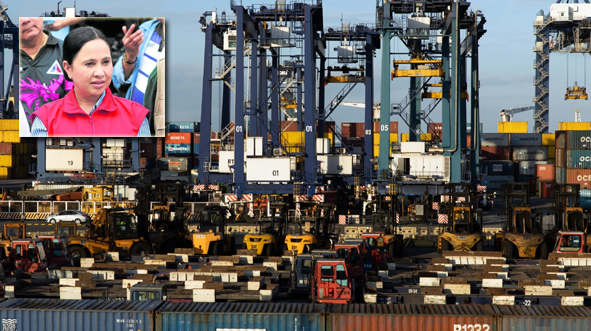
The Philippines is prepared to reduce tariffs on selected US products as part of efforts to secure lower or zero reciprocal tariffs from the United States, Finance Secretary Ralph Recto announced recently. The move aims to enhance bilateral trade ties and pave the way for a potential free trade agreement (FTA) between the two countries.
“We’re open to reducing tariffs—not for all products, but for a carefully identified set,” Recto said during a press briefing, according to local media. While the tariff reductions may not significantly impact the domestic economy, they are being viewed as a strategic gesture to encourage more favorable treatment from Washington.
“The goal is to open doors,” Recto added, “and potentially unlock lower tariffs on Philippine exports, particularly in sectors like electronics, garments, and processed food.”
Push for FTA and market diversification
Finance secretary reiterated the Philippines’ broader ambition to sign FTAs not only with the US but also with Europe and other regions to diversify its export markets and attract more foreign investment.
“We want more trade,” he said. “We need to expand our markets, strengthen our manufacturing base, and boost exports. FTAs are crucial tools in achieving this.”
Recto also emphasized the urgency of deepening trade relations amid global economic uncertainties and shifting geopolitical dynamics. “With global supply chains being restructured, the Philippines must position itself as a key player in the Indo-Pacific region,” he noted.
US a key trading partner of the Philippines
According to official trade data, the United States remains the Philippines’ top export destination, accounting for 15.3% of total exports in May 2025. Key Philippine exports to the US include semiconductors, electronics, textiles, garments, and agricultural products.
Industry leaders have welcomed the government’s stance, noting that improved trade terms could help Philippine exporters stay competitive in the US market, particularly in light of increasing competition from regional peers like Vietnam and Thailand.






Comment here