


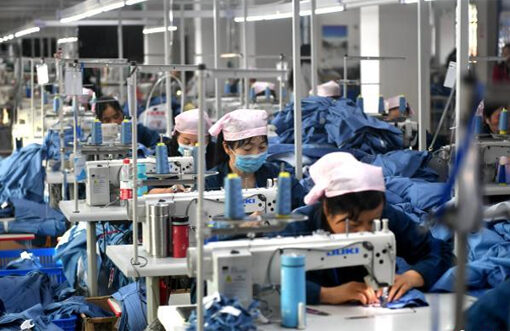
The participation of women in Bangladesh’s garment industry has declined over the past decade, dropping from 56% in 2014 to 53% in 2023. While women’s presence in home textile and woven industries has increased, participation in jacket manufacturing has significantly decreased. Initially, women dominated the sector, making up over 80% of the workforce, but laborious working conditions and mechanization have contributed to the decline.
The mechanization trend has reduced the demand for roles like machine operators while maintaining the number of supervisors and management personnel. Automation has displaced workers, with 2.15–4.13 jobs lost for every $1 million invested in equipment. Gender-biased technological changes may have further reduced female participation. However, automation has also created new opportunities.
The study warns that Bangladesh’s upcoming graduation from least developed country (LDC) status could lead to higher EU tariffs on exports, resulting in a potential 10.8% reduction in garment exports by 2031 and negatively impacting GDP. Other findings indicate declining female participation in the manufacturing sector and reduced representation among business leaders. Trade unions, while improving wages and working conditions, have limited influence on women’s empowerment at the factory level. Nonetheless, garment workers face lower poverty rates compared to non-garment industry workers.




Comment here