


Bangladesh’s ready-made garment sector is witnessing renewed optimism as fresh export inquiries flow in from the United States, Europe, Canada, and Australia, signaling a potential rebound after months of uncertainty.
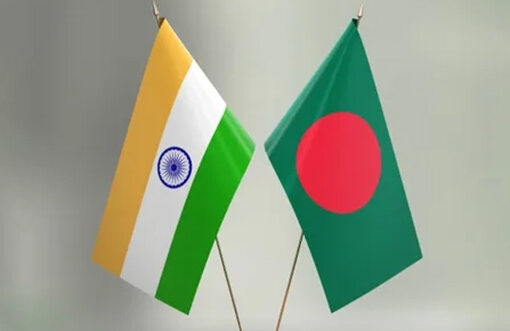
Industry leaders confirm that long-standing US buyers have resumed inquiries, with some previously suspended orders being reinstated—partly redirected from India. While actual volumes will take a full season to materialize, exporters believe Bangladesh’s tariff advantage and strong production capacity position it well to capture this wave of demand.
According to BGMEA President Mahmud Hasan Khan Babu, factors like energy supply, infrastructure, and banking support remain critical to fully leveraging the opportunity. Similarly, BKMEA Executive President Fazle Shamim Ehsan stressed that renewed US interest could translate into long-term export growth.
Recent US tariff hikes on competitor nations have already begun to benefit Bangladesh, with several factories reporting a 5%–10% increase in orders from both existing and new buyers. July’s RMG exports reached US $3.96 billion, a 25% year-on-year growth, accounting for 83% of total exports.
Bangladeshi garments currently face a 20% US duty, lower than China’s 30% and India’s 50%, giving local exporters a stronger foothold. Analysts believe this advantage, coupled with steady buyer interest, could drive a 30%–35% rise in export earnings by September, helping Bangladesh stay on track for its US $63.5 billion FY2025-26 export target.
Beyond garments, US buyers are also sourcing jute, leather, and other products from Bangladesh as alternatives to China and India. However, exporters warn that energy shortages and port inefficiencies must be resolved to sustain momentum.
As global trade dynamics shift, Bangladesh’s RMG sector sees this as a critical opportunity to expand market share, especially in North America and Europe.






Comment here