Bangladesh has stepped up its efforts to secure a free trade agreement (FTA) or economic partnership agreement (EPA) with Australia, aligning the initiative with its broader post-LDC graduation trade strategy to safeguard export competitiveness and diversify market opportunities.
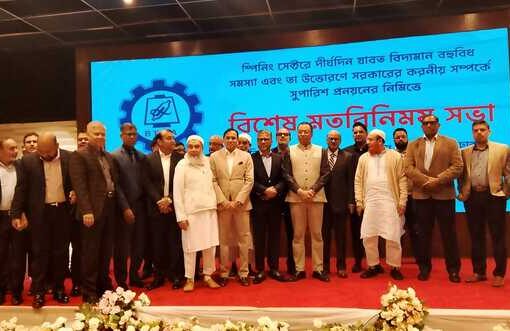
In Dhaka, the Ministry of Commerce recently held a high-level coordination meeting with government agencies and major industry bodies to evaluate the country’s priorities for upcoming trade negotiations. The meeting—chaired by the Commerce Secretary—brought together senior officials from the Ministry of Foreign Affairs, the Export Promotion Bureau (EPB), and representatives from export-oriented manufacturing sectors, including the Bangladesh Garment Manufacturers and Exporters Association (BGMEA).
During the discussion, BGMEA Director Faisal Samad underscored Bangladesh’s untapped potential in the Australian apparel market. Despite being the world’s second-largest garment exporter, Bangladesh holds only an estimated 11% share of Australia’s clothing imports, while China retains a dominant lead. He noted that this market disparity highlights the need for a coordinated national strategy, involving structured economic diplomacy, market research, and unified public–private action. Samad suggested that with the right policy support, Bangladesh could significantly expand its footprint in Australia over the next decade.
Participants acknowledged that Bangladesh’s current growth in Australia has been mainly driven by individual exporters rather than a long-term, government-supported market development plan. To ensure steady expansion, officials emphasized the need for an integrated approach led by the Ministry of Commerce, supported by MoFA, EPB, BGMEA, and other relevant stakeholders. Such coordination would help Bangladesh better identify tariff and non-tariff barriers, address compliance requirements, and improve export readiness.
Industry leaders stressed that any future EPA negotiations with Australia should go beyond tariff preferences. Instead, they should also include cooperation on capacity building, mutual recognition of standards, skill development, green manufacturing, and technology transfer—areas that could help position Bangladesh as a preferred long-term sourcing partner.
The Commerce Ministry announced plans to hold further consultations to refine Bangladesh’s negotiating position. BGMEA will prepare a detailed roadmap outlining export expansion potential, investment requirements, and priority product categories for the Australian market.
If pursued strategically, a Bangladesh–Australia FTA/EPA could not only support the country’s post-LDC transition but also deepen bilateral economic ties, enhance export resilience, and strengthen Bangladesh’s competitiveness across both traditional and emerging markets.