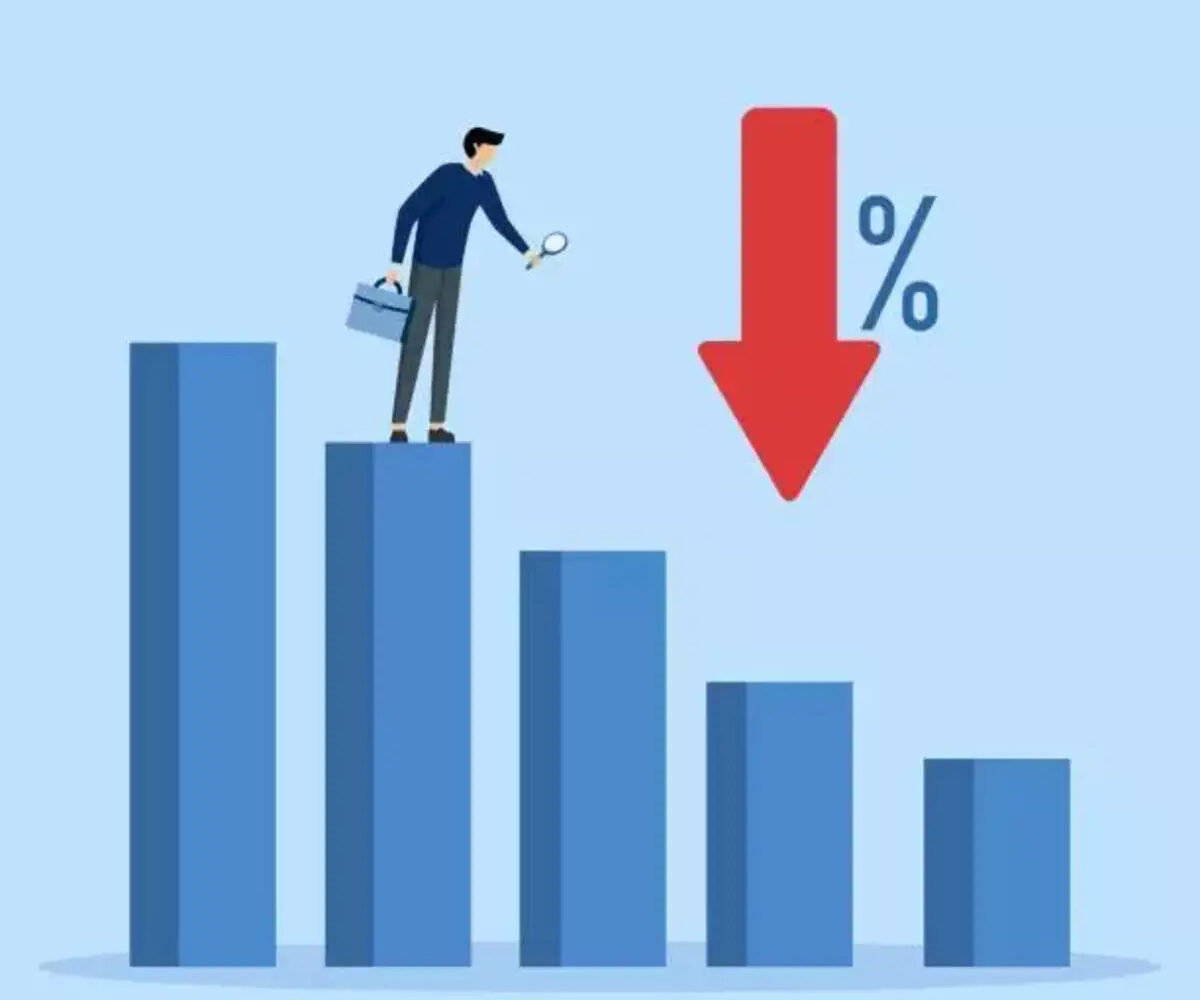
Huge layoffs across the industries
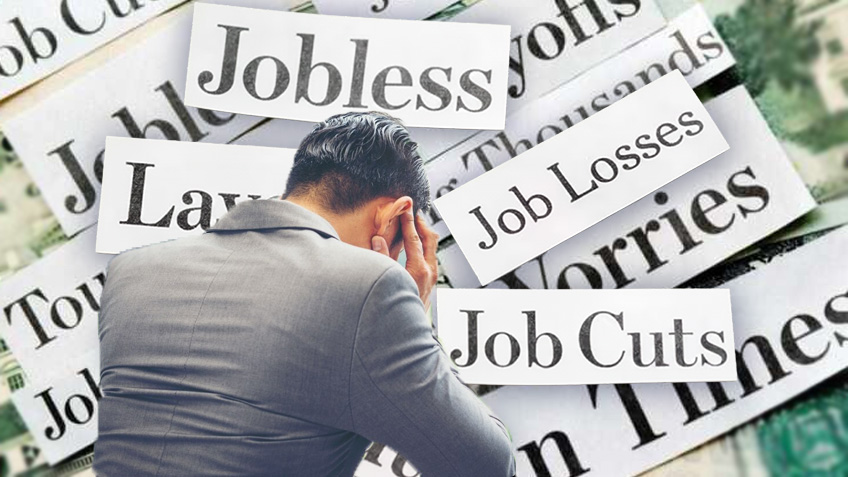
Bangladesh is witnessing a fresh wave of layoffs across several major industries, raising concerns among economists, business leaders, and workers about whether the country is entering a period of economic slowdown.
Over the past few days, reports of workforce reductions and factory closures have emerged from the ready-made garment (RMG) sector, while concerns are also growing in pharmaceuticals, manufacturing, and other industrial segments. Most recently, workers staged protests following mass layoffs at factories under Al-Muslim Group in Savar, adding to growing labor unrest in the industrial belt.
The development comes at a time when Bangladesh’s export sector is already under pressure. During the July-May period of FY2025-26, total RMG exports fell by 3.41 percent to $35.31 billion, while exports to non-traditional markets dropped by 5.95 percent. Such declines have reduced factory utilization rates and increased financial pressure on manufacturers.
The country’s largest layoff incident in recent history occurred when Beximco Group shut down 16 textile and garment units, affecting more than 40,000 workers. The company cited declining work orders and financial difficulties, while government agencies later initiated efforts to rehabilitate displaced workers. For example, within last 48 hours, 1,286 workers were laid off from AKM Knitwear Limited in the Ulail area, 529 from Pacific Blue Jeans Wear in Radio Colony, and 53 from Al-Muslim Apparels in Ashulia, all were in Savar Area.
Labor experts argue that the current situation is not the result of a single factor. Rather, it reflects a combination of weaker global demand, rising production costs, high borrowing costs, energy constraints, political uncertainty, and increasing competition from other sourcing destinations. According to Bangladesh Institute of Labor Studies (BILS), hundreds of incidents involving layoffs, closures, wage disputes, and worker protests have been recorded across industrial sectors over the past year.
Another emerging concern is technological disruption. A growing number of companies worldwide are restructuring operations and adopting automation and artificial intelligence to improve efficiency. Analysts believe similar trends may gradually affect employment patterns in Bangladesh, particularly in labor-intensive industries.
Is Bangladesh entering a recession?
Technically, a recession is generally defined as a sustained decline in economic activity, often reflected through shrinking GDP, falling industrial output, reduced investment, and rising unemployment.
At present, Bangladesh does not officially meet those criteria. Export earnings remain substantial, remittance inflows continue to support the economy, and many sectors are still expanding. However, the recent wave of layoffs may indicate that certain industries are experiencing significant stress.
Economists describe the current situation as a “warning signal” rather than a full-scale recession. If export demand weakens further, private investment remains sluggish, and industrial job losses continue to rise, the risk of broader economic slowdown could increase in the coming months.
The way forward
Industry leaders suggest several measures to prevent further job losses:
Diversifying export markets beyond traditional destinations.
Expanding into higher-value products and technical textiles.
Encouraging investment in sustainability and green manufacturing.
Improving access to working capital and export financing.
Accelerating foreign direct investment (FDI) inflows.
Strengthening worker reskilling and upskilling programs.
Ensuring policy stability and business confidence.
Bangladesh’s economy has demonstrated resilience through numerous global and domestic challenges over the past decades. However, the recent surge in layoffs serves as a reminder that maintaining growth, employment, and competitiveness will require urgent attention from both policymakers and industry leaders.
Whether the current trend marks the beginning of a recession or merely a temporary adjustment will largely depend on how quickly export demand recovers, investment confidence returns, and industries adapt to changing global market realities.