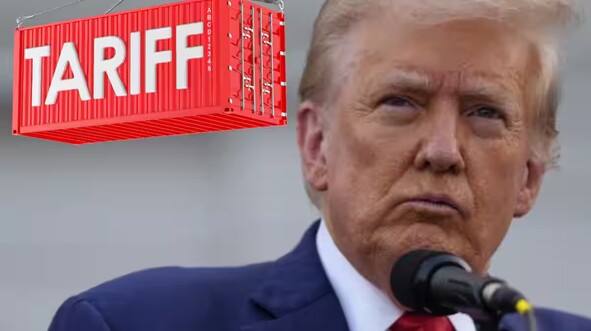
US President Donald Trump has announced an increase in the proposed global tariff rate to 15%, up from the previously declared 10%, after a ruling by the Supreme Court of the United States invalidated earlier sweeping tariff measures imposed under emergency powers.
The court ruled that the administration exceeded its authority by invoking the International Emergency Economic Powers Act (IEEPA) to justify broad-based global tariffs. The judgment stated that while IEEPA grants the president significant powers during national emergencies, it does not authorize the imposition of wide-ranging trade tariffs without clear congressional approval.
New executive order and 150-day tariff window
In response, President Trump signed a new executive order on February 21, introducing a temporary worldwide import tariff framework. The order permits tariffs of up to 15% for a 150-day period unless extended or modified by Congress. Administration officials described the move as a legally structured alternative designed to withstand judicial scrutiny while maintaining leverage in ongoing trade negotiations.
In a post on Truth Social, President Trump criticized the court’s decision, calling it “anti-American” and asserting that the tariff increase was necessary to protect domestic industries from what he described as decades of unfair trade practices.
Market and trade implications
Trade analysts note that the tariff hike could have significant implications for global supply chains, particularly in sectors such as textiles, electronics, automotive components, and consumer goods. Export-driven economies in Asia and Latin America are expected to closely monitor further announcements regarding country-specific tariffs and sectoral adjustments.
Financial markets reacted cautiously to the development, with concerns over renewed trade tensions potentially affecting global growth and investment flows. Economists warn that higher import duties could lead to increased consumer prices in the United States while also triggering retaliatory measures from trading partners.
The administration has indicated that additional tariff structures, exemptions, and bilateral trade measures will be unveiled in the coming months as part of a broader strategy to rebalance US trade relationships.
The policy shift marks a renewed phase of assertive trade positioning by the White House, with potential ripple effects across international commerce and manufacturing sectors worldwide.