


Since gaining independence 53 years ago, our nation has emerged as a significant player in the global supply chain. Yet, our key stakeholders remain constrained by the Foreign Exchange Regulation Act (FERA) of 1947, a relic of the colonial era. This outdated framework continues to stifle foreign exchange liquidity and exchange rate stability. Both local and foreign investors, along with the trading community, find our foreign exchange regime overly cumbersome and among the most complex in emerging economies.
Nearly every cross-border transaction requires approval from the central bank, creating inefficiencies that hinder progress. Despite the dedication of central bank officials, their focus on routine approvals leaves little room for strategic reforms in cross-border transactions.
What Needs to Change?
To modernize our foreign exchange regime and facilitate growth, we must take the following steps:
Simplify Approval Processes
Introduce streamlined pre- and post-facto approval mechanisms for outward remittances, including surplus earnings, dividends, training, technical know-how, operational assistance, software purchases, and renewal fees.
Liberalize External Borrowing
Update guidelines to provide Bangladeshi borrowers with greater access to cost-effective financing options.
Promote Financial Market Growth
Develop a comprehensive framework to eliminate case-by-case approvals, which are time-consuming and counterproductive.
Enable Competitive Export Practices
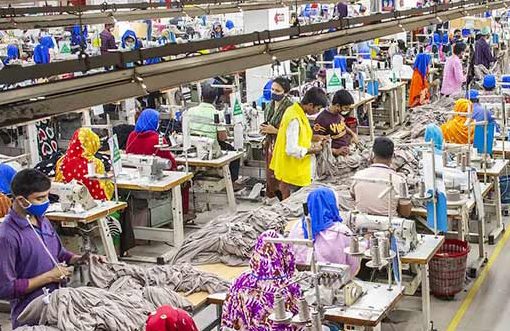
Allow discounts on exports in compelling cases, such as quality issues. The current approval process for such discounts is cumbersome and affects competitiveness, particularly in the global apparel market.
Facilitate Open Account Trade
Lift restrictions on open account trade, a key mechanism for global commerce that remains underutilized locally.
Digitize Trade Documentation
Permit electronic presentation of import and export-related documents through secure digital platforms.
Additional Process and Technical Recommendations
Reassess Exchange House Roles
Revise the current USD drawing arrangements. Foreign currency inflows should come through designated banks, converted at published rates, without allowing Taka purchases to undermine USD inflows.
Build a Transparent Interbank FX Market
Establish a robust interbank foreign exchange market. In the absence of brokers, interbank trades lack transparency and market-making dynamics. Excess liquidity should be routed through brokerage houses or the central bank to ensure competitive and transparent pricing.
Eliminate Unnecessary L/C Clearance Mechanisms
Given the significant reduction in official outflows, the L/C clearance process is redundant and can cause delays or encourage unofficial forex outflows.
Addressing Concerns over Liberalization
Critics might argue that high external borrowing rates make liberalization less appealing. However, without freeing government bill and bond interest rates and allowing FX forward pricing based on market forces, meaningful progress remains unlikely.
Fundamental Reforms to Support the System
Enhance Auditor Quality and Oversight
Make the central bank’s auditor enlistment process more stringent to ensure credibility.
Ensure Accurate Credit Ratings
Enforce strict compliance with local rating companies’ standards. Instances of questionable ratings—such as dubious AAA ratings for poorly performing banks—undermine trust and reliability.
A Call for Broader Reforms
As we discuss reforms with the interim government, it is imperative to prioritize changes in our cross-border trade, remittance, and payment systems. Modernizing this domain is not just a necessity but a prerequisite for sustainable economic growth and global competitiveness.
Reference taken from an article written by Mr. Mamun Rashid






Comment here