

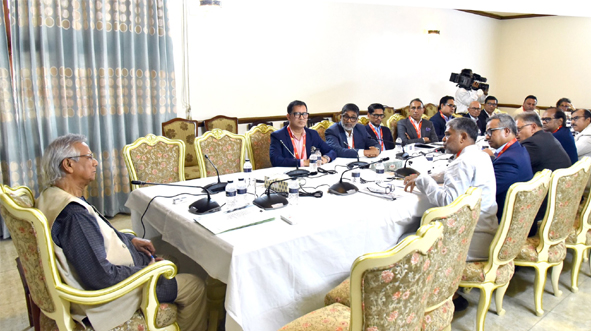
The protest movement that culminated in the fall of the Awami League-led government in August 2024 was, at its root, an economic uprising driven by the demand for employment. Yet, one year into the interim government’s tenure, the labor market shows little sign of revival, and the optimism that fuelled the protests has given way to disillusionment.
The data reveals a contraction rather than expansion in employment opportunities. Public sector job openings remain scarce, pushing thousands of graduates into cutthroat competition for limited posts. In the private sector, investment lethargy has been stark — reflected in sluggish bank credit growth, declining imports of capital machinery, and an absence of factory expansion. Inflation-fighting monetary tightening, while aimed at stabilizing prices, has inadvertently raised borrowing costs, stifled entrepreneurship, and further dampened job creation.
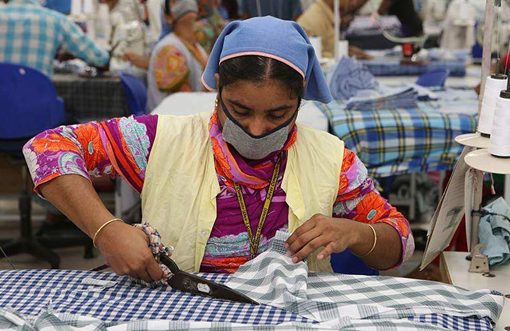
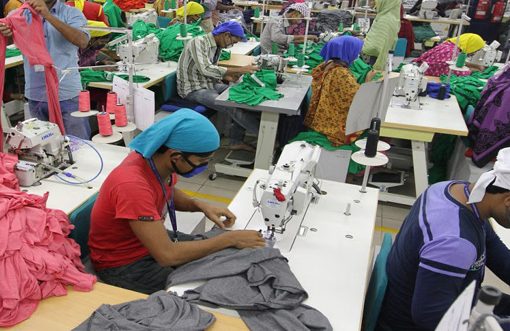
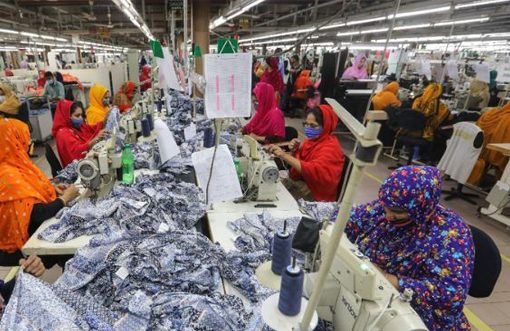
Industrial employment has been in steady decline for a decade, dropping from 1.21 crore in 2013 to 1.2 crore in 2024, with total employment falling nearly 3% in the past year alone. Overseas employment, a traditional safety valve for the domestic job market, also slumped by 22%, exacerbating the situation. These trends, coupled with political instability and deteriorating law and order, have discouraged both domestic and foreign investors from taking risks.
A persistent skills mismatch further deepens the crisis. Despite repeated calls from economists for urgent education sector reform, no substantive steps have been taken to align graduates’ skills with market demands. The government’s recent announcements — from SME support programs to youth loan initiatives — suggest some recognition of the problem, but these measures remain modest compared to the scale of the challenge.
In essence, the interim government’s focus on economic stabilization has come at the expense of aggressive job creation. Without a coordinated push to stimulate private investment, restore investor confidence, and reform education to bridge the skills gap, the employment deficit will remain a structural obstacle to Bangladesh’s economic recovery — and to fulfilling the central promise of the uprising that brought this government to power.




Comment here