

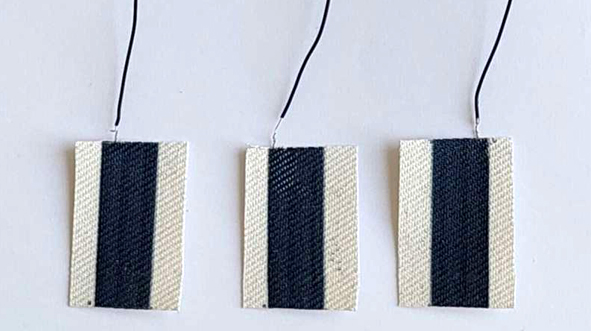
A research team led by the University of Southampton and UWE Bristol has developed eco-friendly, biodegradable e-textiles called SWEET (Smart, Wearable, and Eco-friendly Electronic Textiles). Made from tencel (a renewable, biodegradable wood-based fabric) and graphene-based components, these inkjet-printed textiles monitor human health indicators such as heart rate and temperature, offering functionality without compromising sustainability.
Unlike conventional e-textiles, which often incorporate non-biodegradable materials like silver, SWEET materials decompose rapidly, reducing environmental impact. Tests confirmed their biodegradability, with fabric samples buried in soil losing 48% of their weight and 98% of their strength within four months. A life cycle assessment revealed graphene-based electrodes have up to 40 times less environmental impact than traditional options.
The team tested SWEET textiles on volunteers, successfully achieving industry-standard monitoring of vital signs. The inkjet-printing fabrication method minimized material waste and energy usage compared to conventional processes.
Researchers aim to advance SWEET’s application in healthcare, focusing on garments for early detection of heart-related diseases. This innovation demonstrates that sustainability and functionality can coexist, addressing environmental concerns in the growing e-textile industry. The findings have been published in Energy and Environmental Materials.








Comment here