

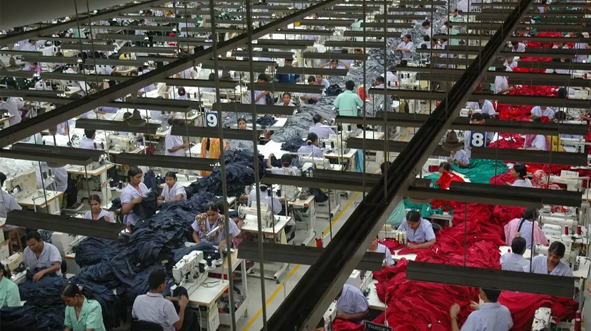
 To achieve transition, the whole apparel supply chain must collaborate, must work together. Digitalisation, transparency, sustainability, the quality of work, all require changes in the operation of the entire supply chain. Buyers and suppliers must work more as equal partners to make the transition together.
Recent scenario of Global Apparel Industry
IAF’s 36th IAF World Fashion Convention held last November 2021 in Antwerp summarized the expected scenario of the apparel industry through its theme: “transition of the global fashion system”. The apparel industry is hitting economic, human and environmental walls. Transition refers to the systemic change needed to create a more sustainable and a more digital industry. So the scenario that we strive for is that of an industry that wastes less resources, has a lower environmental footprint, creates better returns and is able to share those returns more evenly among all involved in the creation of garments.
To achieve transition, the whole apparel supply chain must collaborate, must work together. Digitalisation, transparency, sustainability, the quality of work, all require changes in the operation of the entire supply chain. Buyers and suppliers must work more as equal partners to make the transition together. Investments are needed to fuel the transition. Governments are moving in to regulate trade more strongly and the industry must find joint answers to deal with the growing body of legislation.
Vision for IAF
The IAF is proud to represent one of the most impactful and fascinating industries on our planet. Apparel has a relatively large impact on our lives because it’s production is labourintensive, because apparel is worn by everybody and because clothing is so much woven into the expression of our personal identities and our position in society.
However, the industry in 2022 also faces grave challenges. Meeting these challenges and helping to move towards the best case scenario requires global corporations, which is what the IAF offers to its members and to the industry as a whole. The mission of the IAF is therefore to unite all stakeholders of the fashion and apparel industry, including brands, retailers, manufacturers, suppliers and country associations from around the world to enable and promote smarter, stronger, more sustainable supply chains.
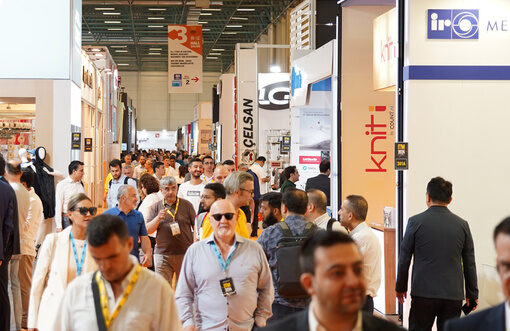
Practically, this means that the IAF as a federation brings together its member associations and member companies from all continents to share information and insights and to form common positions. To do this, it organizes its renowned World Fashion Convention every year at a different location together with one of its member associations, it initiates and participates in global projects and it participates in global industry initiatives. Internally, the IAF runs three major member committees, the manufacturers committee, the education committee and the sustainability committee. In addition, it develops services for its members, transferring or creating access to unique knowledge.
Now, with travel restrictions, geopolitical tensions, a pandemic and an industry in transition, it is more important than ever for the most globalized industry in the world to have a strong global federation.
Apparel sector in Bangladesh
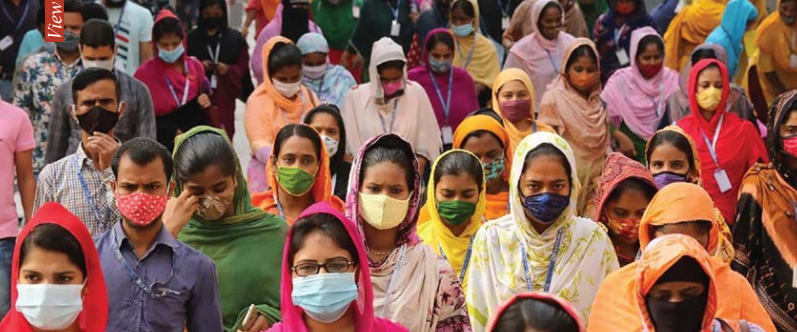
Bangladesh is the world’s second largest exporter of apparel. It’s apparel industry makes up about 85% of the country’s exports. So its apparel industry is both very important to Bangladesh and to the world. It has undergone a remarkable growth in the past decades. The Bangladeshi apparel industry’s competitiveness has long relied on low costs but they have started to diversify to more value added products and services. The expectation is that Bangladesh will continue to be a strong player in global apparel manufacturing arena. The IAF will hold its 37th World fashion Convention in the week of November 13th 2022 in Dhaka.
IAF Initiatives on RMG sector for product development and exports
The IAF supports its member industry in many ways so that they in turn can help their national members to improve their product development and increase their exports. The international connections that the IAF facilitates, helps associations to organize trade missions. Through the IAF, best practices in product and export development are shared among member associations. And webinars are organized jointly with the IAF to provide information about foreign markets to brands and manufacturers.
Changes of fashion and apparel lifestyle in post COVID-19 new normal life.
We have seen that some existing trends have been accelerated by COVID-19. Most notably, the share of online apparel purchases has grown tremendously. This has allowed online players selling directly to final consumers, such as Shein, to grow their market share very quickly. Closed stores and travel restrictions have greatly accelerated the digitalization and laid bare the need for much more digitalized supply chains. Buying more online, consumers will have more choice and will be able to buy product from brands and retailers from across the world, creating new opportunities for both large and small brands and retailers. Social media are moving from being a marketing platform only to being also a sales platform for fashion.
Major priorities of the IAF for 2022:
The IAF Board of Directors has established a set of priority issues at the start of 2021, which are for a large part still very much valid in 2022. These are:
1. A greener industry
2. Contract and equity
3. Education and training
4. Digitization
5. Transparency.
6. Institutional infrastructure




Comment here