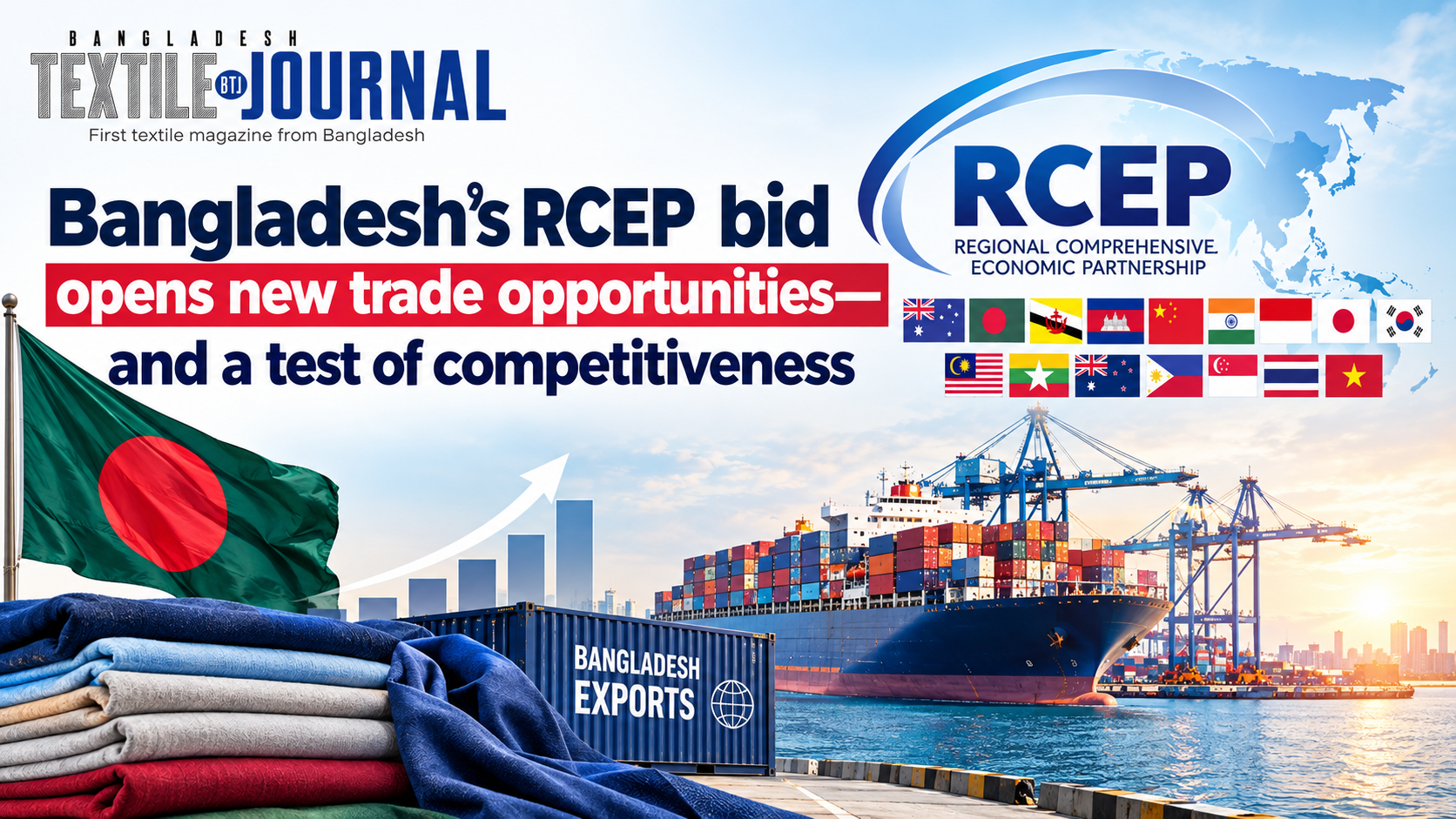
Bangladesh, Chile, Sri Lanka and Hong Kong have applied to join the Regional Comprehensive Economic Partnership (RCEP), a 15-member Asia-Pacific trade bloc. At a meeting of the RCEP Joint Committee in Manila on 21 September, a recommendation was made to establish special working groups for the applicant economies. The recommendation was subsequently approved at the fifth RCEP Ministerial Meeting in the Philippine capital.
The development marks an important step for Bangladesh. However, it should not be interpreted as an indication that membership is imminent. Rather, it signals the beginning of a demanding process of preparation, assessment and negotiation.
Joining RCEP could offer Bangladesh opportunities to access new markets, participate more deeply in regional supply chains and diversify its export base. As the country prepares to graduate from Least Developed Country (LDC) status and potentially lose some existing trade preferences, stronger institutional trade relations with major Asian economies could become increasingly important.
However, market access alone will not guarantee success. RCEP membership would also expose Bangladesh’s domestic industries to greater competition. Products from China, Japan, South Korea and ASEAN member countries could gain easier access to the Bangladeshi market, creating additional pressure on domestic manufacturers struggling with low productivity, high operating costs and structural inefficiencies.
Bangladesh’s central challenge, therefore, is not simply securing entry into RCEP, but developing the capacity to compete effectively once inside the bloc.
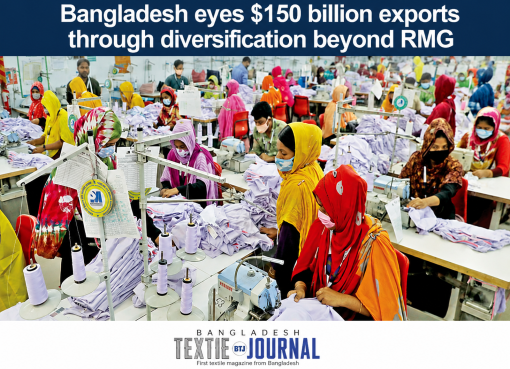
The country’s export earnings remain heavily dependent on ready-made garments. Weaknesses in trade policy, port and customs operations, logistics, energy reliability, taxation, technology adoption and workforce skills continue to constrain industrial competitiveness.
Trade policy reform must be a priority. Bangladesh needs a transparent, simple and predictable tariff structure, including a review of high tariffs and para-tariffs such as supplementary and regulatory duties. Modernising customs and port systems, reducing supply-chain costs and ensuring reliable energy supplies would also help businesses compete more effectively.
At the same time, investment in workforce skills, technology and research must increase. Export diversification should extend beyond garments to sectors such as pharmaceuticals, leather goods, agro-processing, light engineering and information and communication technology (ICT).
RCEP’s ambitions extend beyond trade in goods to wider regional integration in services and investment. For Bangladesh, the potential benefits could therefore include not only greater export access but also opportunities to attract investment from participating economies and strengthen its role in regional production networks.
Realising these opportunities will require a more competitive investment environment. Reliable electricity and gas supplies, access to land, predictable taxation, transparent procedures for repatriating profits and capital, effective contract enforcement and better coordination among regulatory agencies are essential to attracting long-term investment.
Negotiations must also be guided by evidence and sector-specific analysis. Bangladesh needs to identify which products could benefit from early tariff concessions, which industries may require longer transition periods and what temporary adjustment measures could help domestic businesses prepare for increased competition.
Without such preparation, trade liberalisation could place considerable pressure on vulnerable industries rather than deliver the expected benefits.
RCEP should therefore be viewed as both an opportunity and a test of Bangladesh’s economic readiness. Membership could strengthen regional trade ties, diversify exports and attract investment, but these gains will depend on the country’s ability to improve productivity, modernise trade infrastructure and implement meaningful policy reforms.
The door to deeper regional integration may be opening, but Bangladesh’s long-term success will depend on how well it prepares to compete on the other side.