Sustainable Chemistry, Energy Savings and Advanced Functional Finishes for the Global Textile Industry.
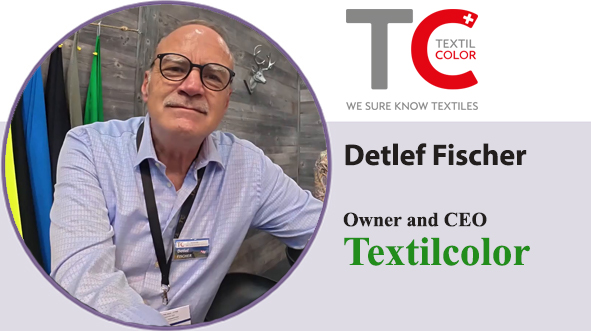
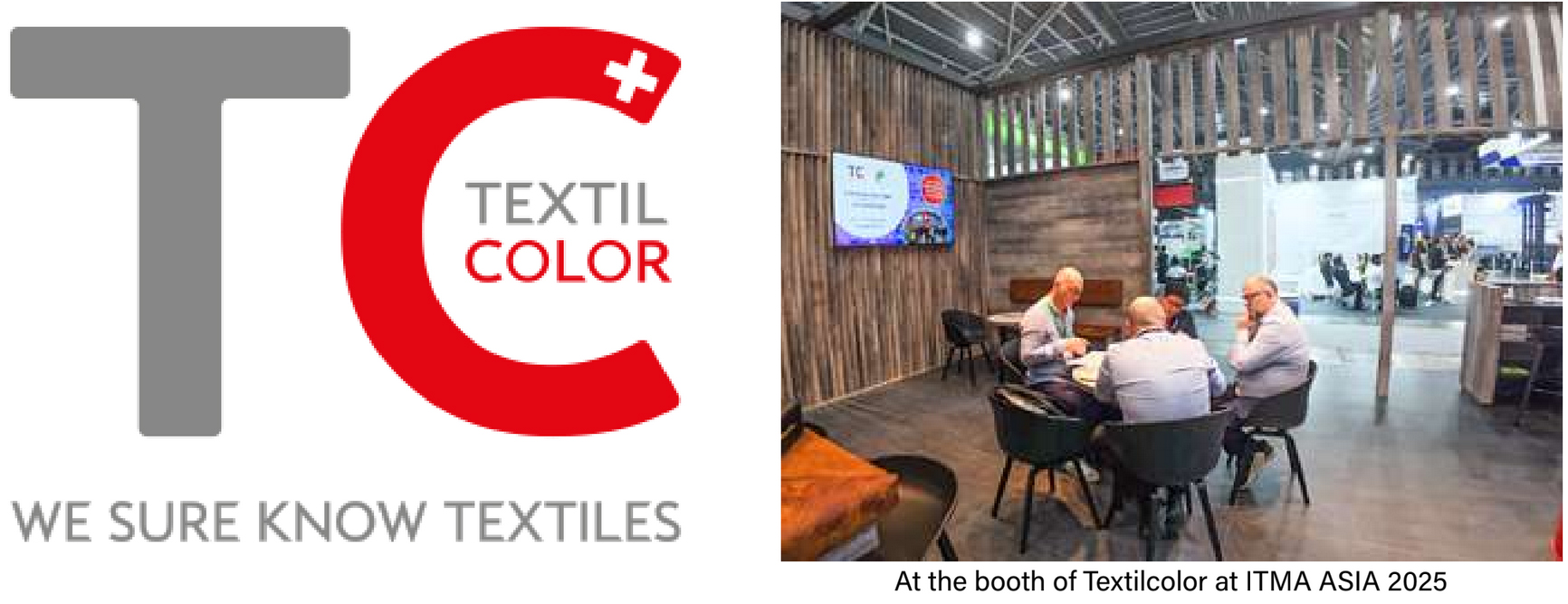
Bangladesh Textile Journal spoke with Detlef Fischer, Owner and CEO, Textilcolor, at the company’s booth during ITMA ASIA 2025 in Singapore, where the Swiss specialty chemical producer showcased its latest innovations in sustainable textile chemistry, functional finishes and energy-saving technologies. The interview was taken by Shawkat Iqbal, Editor in Chief, BTJ.
BTJ: Mr. Fischer, thank you for welcoming us. Could you please introduce yourself and Textilcolor to our readers?
Detlef Fischer: Thank you, Mr. Iqbal. It is a pleasure to meet you here. My name is Detlef Fischer, and I am the Owner and CEO of Textilcolor. We are a Swiss specialty chemical company producing around 20,000 to 24,000 tons of specialty chemicals for the textile industry annually, along with approximately 5,000 tons of dye stuffs. Our ambition is to be a comprehensive solution provider, supplying nearly all chemical products required by the textile industry. Alongside our products, we offer extensive technical know-how and application expertise, which helps our customers gain a competitive edge in the global market.
BTJ: Textilcolor is well known for its wide product range. How extensive is your portfolio?
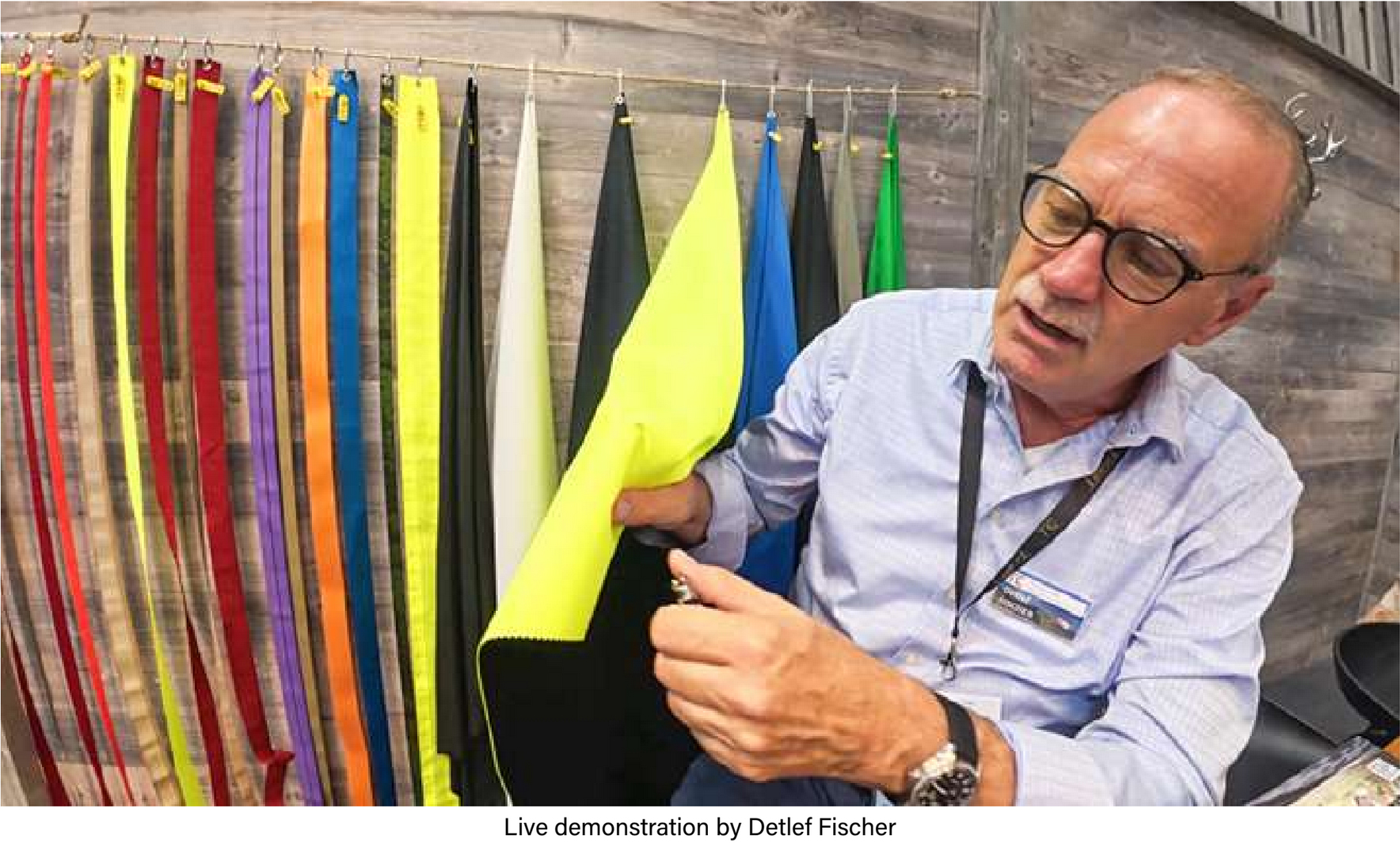
Detlef Fischer: Yes, our portfolio is quite broad. We currently offer around 700 different products, covering a wide spectrum of textile processing needs, from pretreatment and dyeing to finishing and functional applications.
BTJ: Sustainability has become a key priority for the textile industry. How is Textilcolor contributing in this area?
Detlef Fischer: We strongly believe that Textilcolor is among the leading sustainable textile chemistry producers globally. One of our major developments is our hybrid technology, known as BAST—Best Available Sustainable Technology. With BAST, we combine renewable raw materials with responsibly optimized oil-based inputs to meetcustomer-specific requirements. As a result, we now have around 30 products with net-negative CO2 emissions. Moreover, our solutions offer the highest energy-saving potential in the market. Using our products and technical guidance, customers can save more than 40% in energy, water, wastewater treatment, and fuel consumption. These savings translate directly into both cost reduction and environmental benefits.
BTJ: Water reduction is a major challenge, especially for large knit and T-shirt producers. Do you have proven solutions in this area?
Detlef Fischer: Absolutely. One of the world’s largest T-shirt producers is already using our detergent systems. By applying our technology, they reduced the wash-off cycles in reactive dyeing from five washes to just two. Over a two-year period, the amount of water saved was comparable to the volume of the Black Sea, which is truly remarkable. And, this was achieved using only a small dosage of our products. This clearly shows how chemistry, when applied intelligently, can deliver massive sustainability gains.
BTJ: Are you showcasing any new technologies or products at ITMA ASIA 2025?
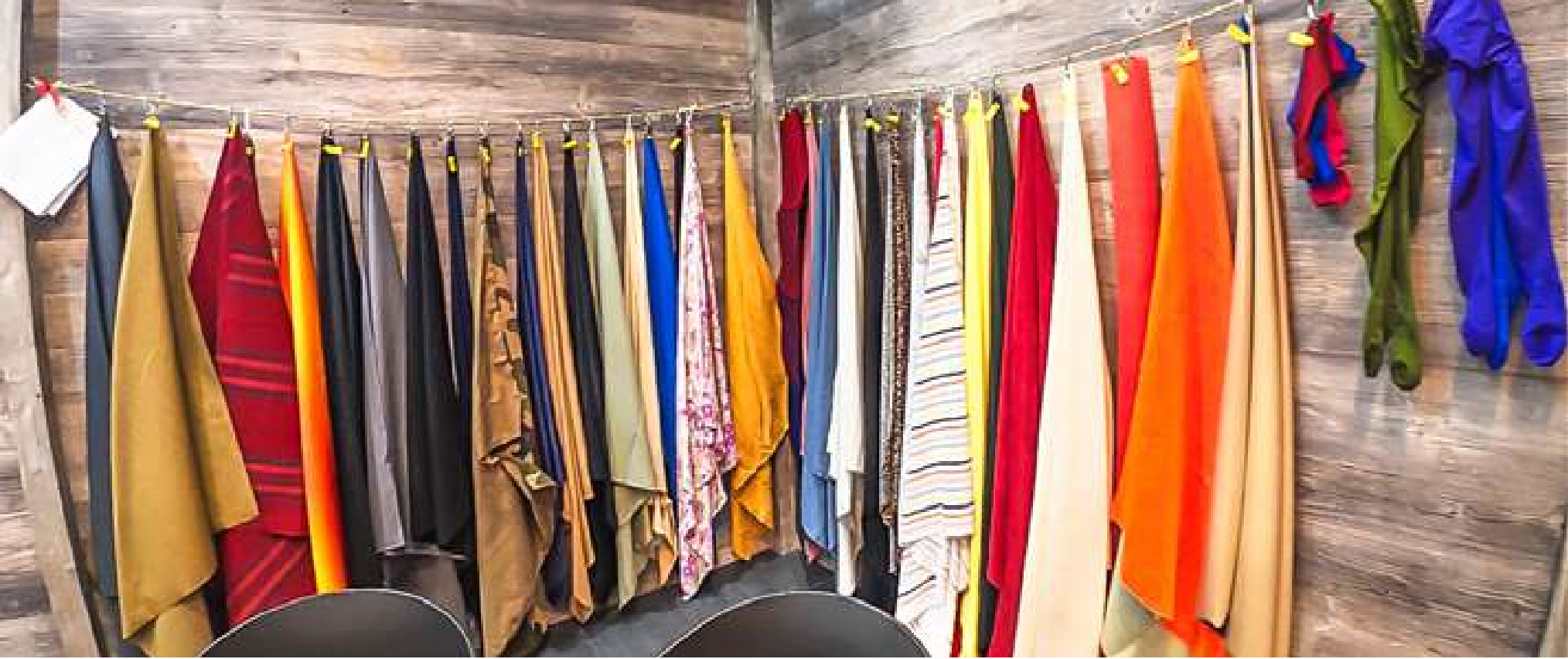
Detlef Fischer: Yes, quite a few. We have introduced a new brand management concept and several breakthrough technologies. One is Cool Color Technology, which reduces heat absorption from dark colors such as black and navy. When people wear garments treated with Cool Color, surface temperature can be reduced by up to 5°C, which is a significant comfort improvement. We have also developed Triple Dry Impregnation Technology, which enables moisture to move efficiently from the inside to the outside of the garment, while maintaining water repellency on the exterior. Another innovation is Energizer Technology, which enhances human energy performance. Garments treated with this technology can help increase a wearer’s usable energy by around 5%, similar to having a stronger battery throughout the day. Finally, we introduced Pyroshell Technology, a patented flame-retardant solution mainly used for oil platforms, military and police applications. This technology uses expanding graphene, which blocks heat transfer without creating burn-through holes. It is a unique, patented solution not available from any other suppliers.
BTJ: Textilcolor has a strong presence in Asia. Could you elaborate on your regional strategy?
Detlef Fischer: We are active in around 55 countries worldwide. In Asia, we work with strategic partners and distributors. We have production and distribution partnerships in Malaysia, long-term relationships in Indonesia, and established operations in Pakistan and India. In Bangladesh, we do both direct business and indirect business through Green Textiles, our exclusive local partner. Our goal is to further strengthen Textilcolor’s footprint across the Asian textile market.
BTJ: How is your business performing in Bangladesh, and do you plan to expand further?
Detlef Fischer: Our business in Bangladesh is growing steadily. We have long-standing customers, who have been working with us for many years, and we are seeing increasing interest from new clients. Yes, we definitely want to expand further. With your support and industry connections, we would be happy to arrange meetings with factory owners and technical teams to introduce our latest technologies and solutions.
BTJ: Do you have any special message for Bangladeshi textile manufacturers?
Detlef Fischer: Yes. We have recently developed a salt-free dyeing technology, which eliminates the need for salt entirely and can reduce washing cycles by up to 80%. This offers enormous cost-saving and environmental benefits. We would be very pleased to support Bangladeshi manufacturers with this technology and share the necessary know-how to help them significantly reduce operational costs.
BTJ: Finally, how do you view competition and distribution challenges in Bangladesh?
Detlef Fischer: We prefer working with focused and dedicated partners. That is why we currently work with only one distributor in Bangladesh. Managing multiple agents often leads to conflict of interest and lack of commitment. Our philosophy is simple: We want partners, who are fully dedicated to Textilcolor, as this ensures transparency, trust, and long-term success for both sides.
BTJ: Thank you very much for your time and valuable insights.
Detlef Fischer: Thank you. It was my pleasure speaking with Bangladesh Textile Journal.